
A breakfast nook works when the layout, seating, and lighting suit how you really use the space. Style comes second. The best nooks start with a few measurements, a comfortable seat, and a fabric that wipes clean. Below, you’ll find 12 breakfast nook ideas, along with the planning numbers that keep them comfortable.
What Makes a Breakfast Nook Work?
A breakfast nook is a small, casual eating spot in or beside the kitchen. It might sit in a corner, a bay window, or along a wall.
Four things decide whether it feels good to use:
- Enough room around the table
- Seating you can sit in for more than ten minutes
- One good light source
- Surfaces that handle spills
Plan Your Footprint First
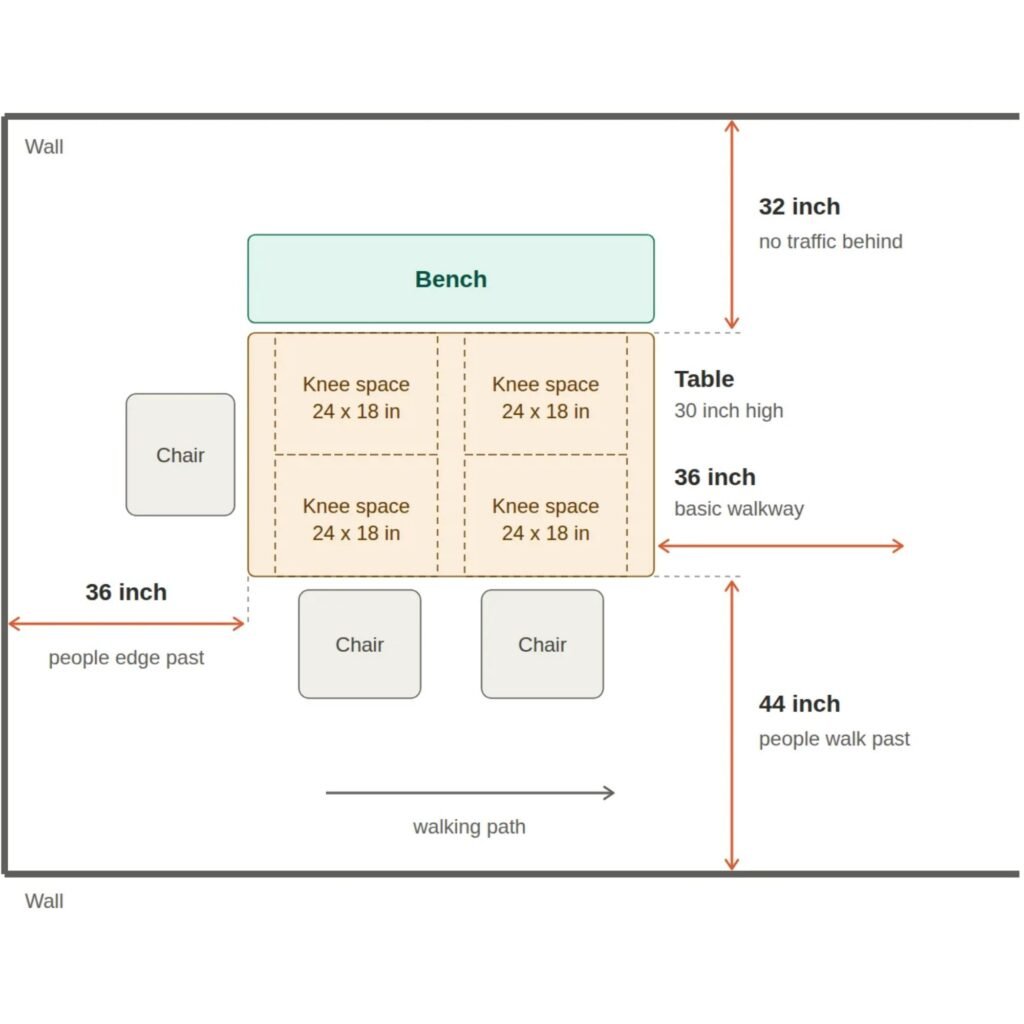
Measure before you shop. These figures come from the National Kitchen & Bath Association (NKBA) planning guidelines. They are industry recommendations, not building-code requirements, so check local rules if you are remodeling.
| What to check | Planning figure | Type of guidance |
|---|---|---|
| Space from table edge to a wall behind a seated person (no traffic) | 32 inches | NKBA recommendation |
| Space if people edge past behind a diner | 36 inches | NKBA recommendation |
| Space if people walk past behind a diner | 44 inches | NKBA recommendation |
| Knee space per diner at a 30-inch-high table | 24 inches wide, 18 inches deep | NKBA recommendation |
| Basic walkway width | 36 inches | NKBA recommendation |
Tape the table and bench outline on the floor. Walk around it with a chair. If you keep bumping into things, change the plan before buying anything.
4 Breakfast Nook Layouts to Consider
1. Corner L-Shaped Nook
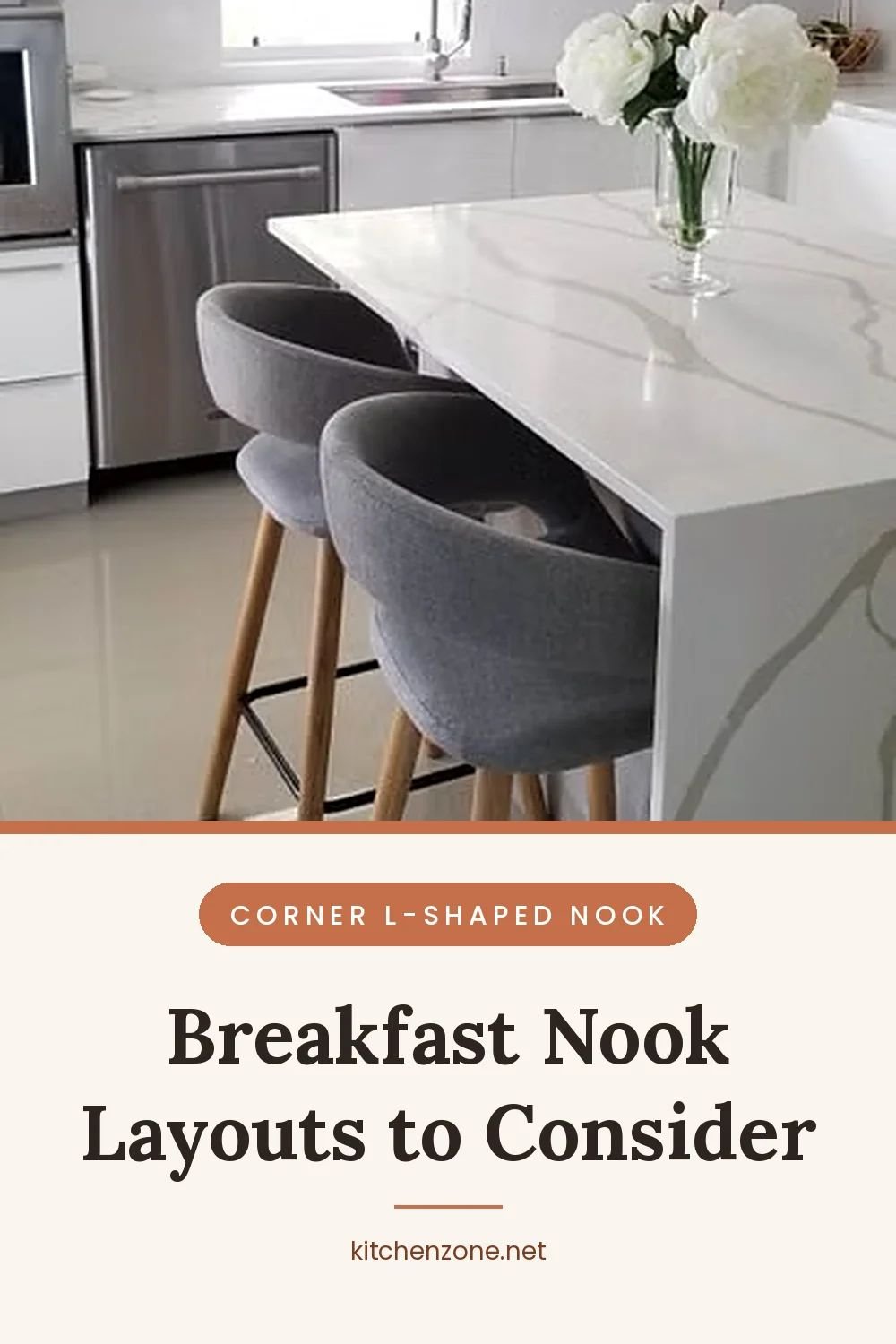
Image Source: Pexels
Two benches meet at a wall corner and wrap a table. This layout uses space that would otherwise sit empty. It also puts at least half the seats against a wall, so you don’t need room behind them, which is why builders like it for compact kitchens (Fine Homebuilding).
2. Bay Window Nook
A curved or angled bench follows the window. A round or oval table suits this shape best. Keep the view clear by choosing a low seat back.
3. Freestanding Nook
A small table with chairs or a bench, placed by a window or wall. This is the easiest option for renters or anyone who is not ready to build.
4. Wall-Hugging Banquette
A straight bench along one wall with chairs on the other side. It works in narrow kitchens where a corner isn’t available.
12 Breakfast Nook Ideas by Style
1. Classic Cottage
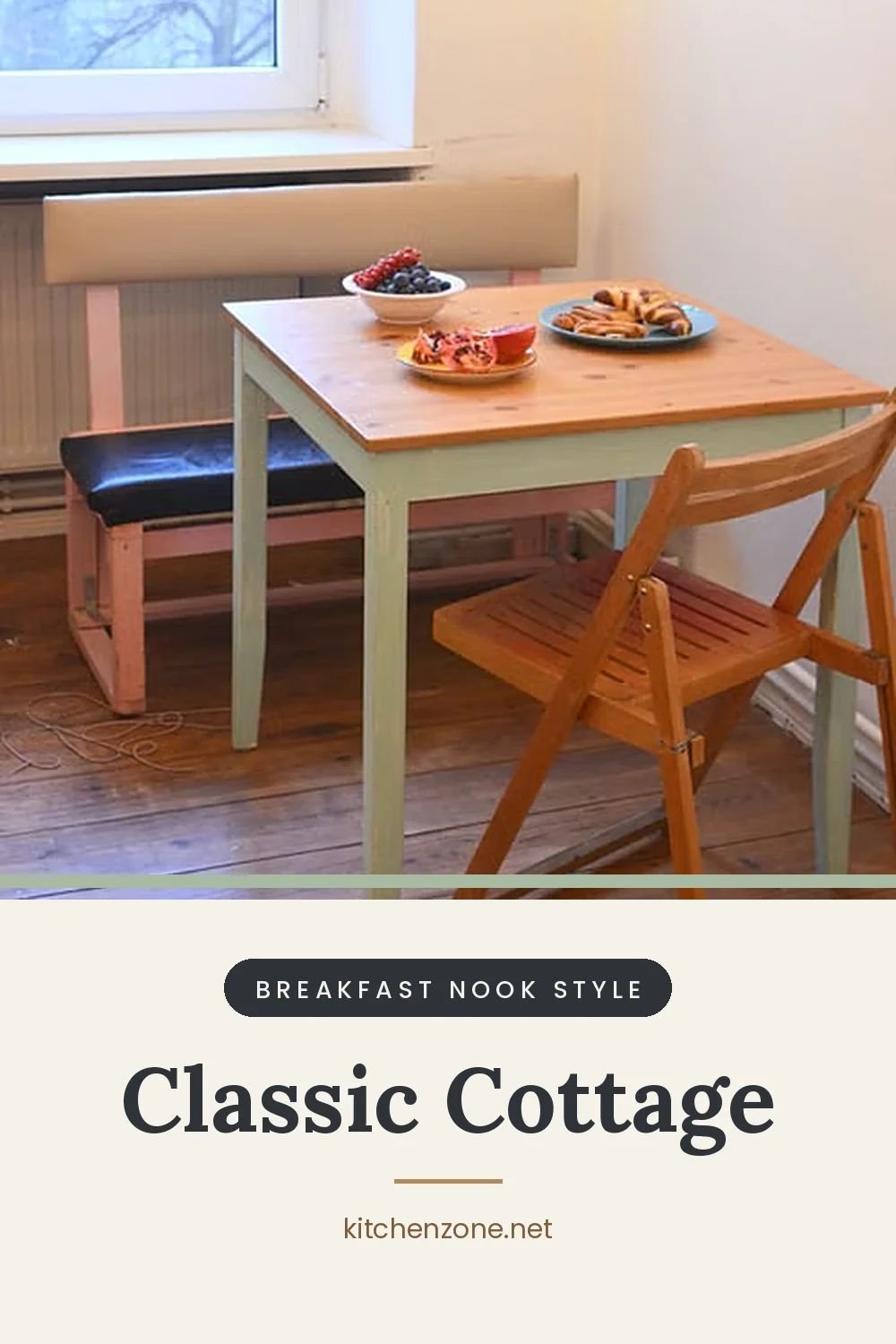
Image Source: Pexels
White paneling, a wood table, cafe curtains, and a mix of chairs. Collected, slightly mismatched seating helps it feel lived in.
Color Palette
2. Modern Farmhouse
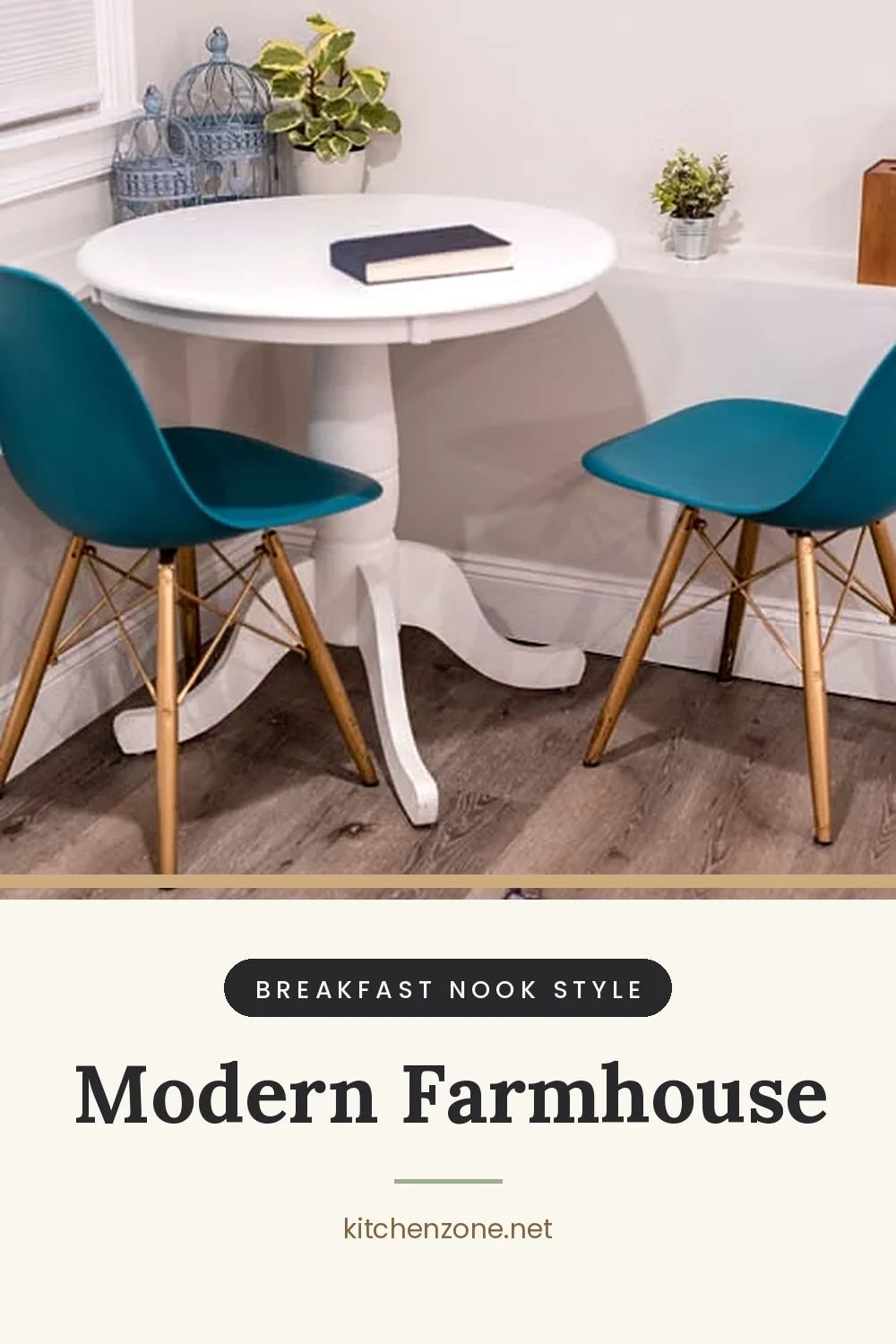
Image Source: Pexels
Light wood, black metal accents, and linen or leather cushions. Keep the palette to a few colors so the wood can stand out.
Color Palette
3. Built-In Banquette With Storage
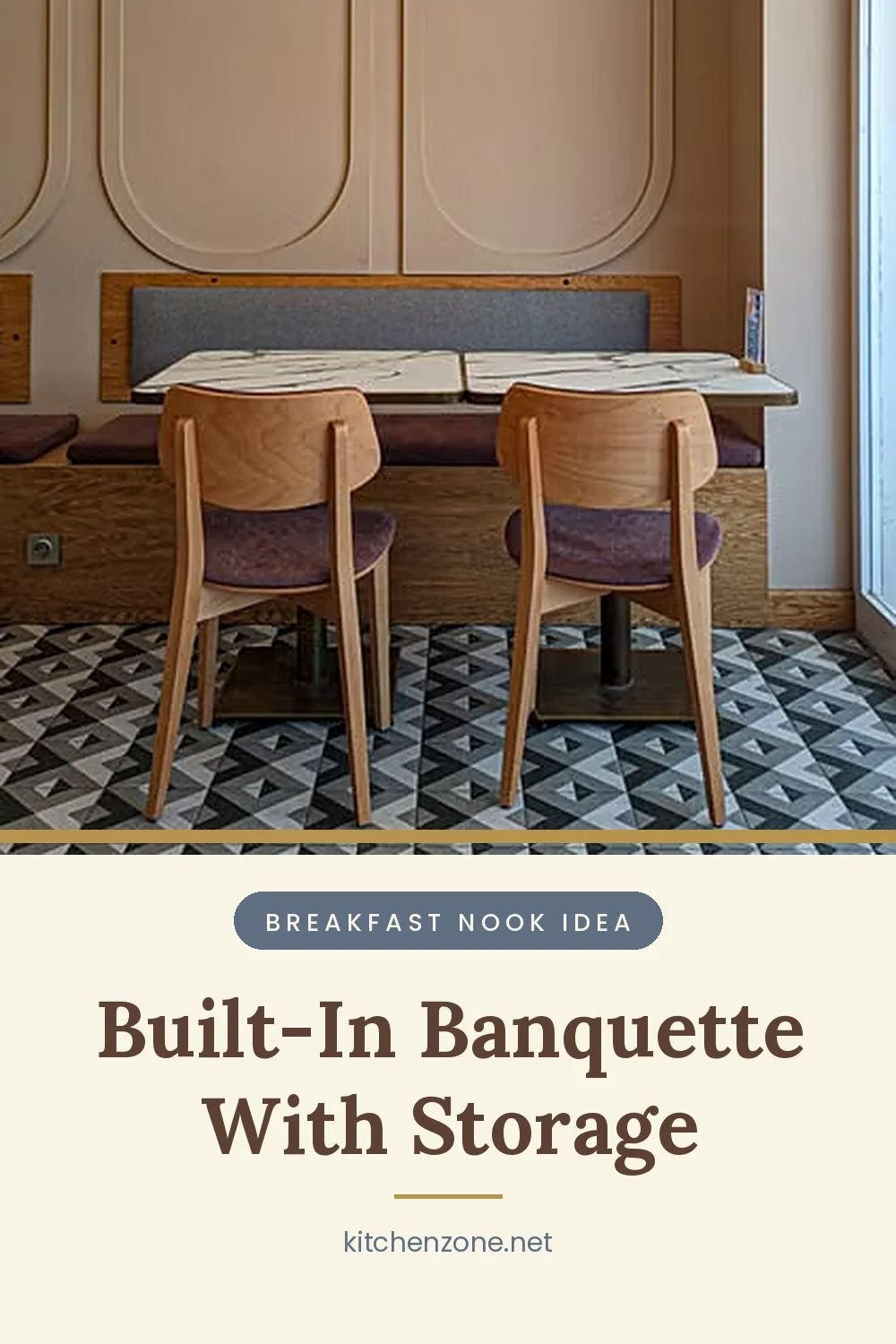
Image Source: Pexels
A bench with a lift-up lid hides seasonal linens or serving pieces. A builder in the Fine Homebuilding guide prefers hinged lids because drawers and slides use up storage space.
Color Palette
4. Bay Window Banquette
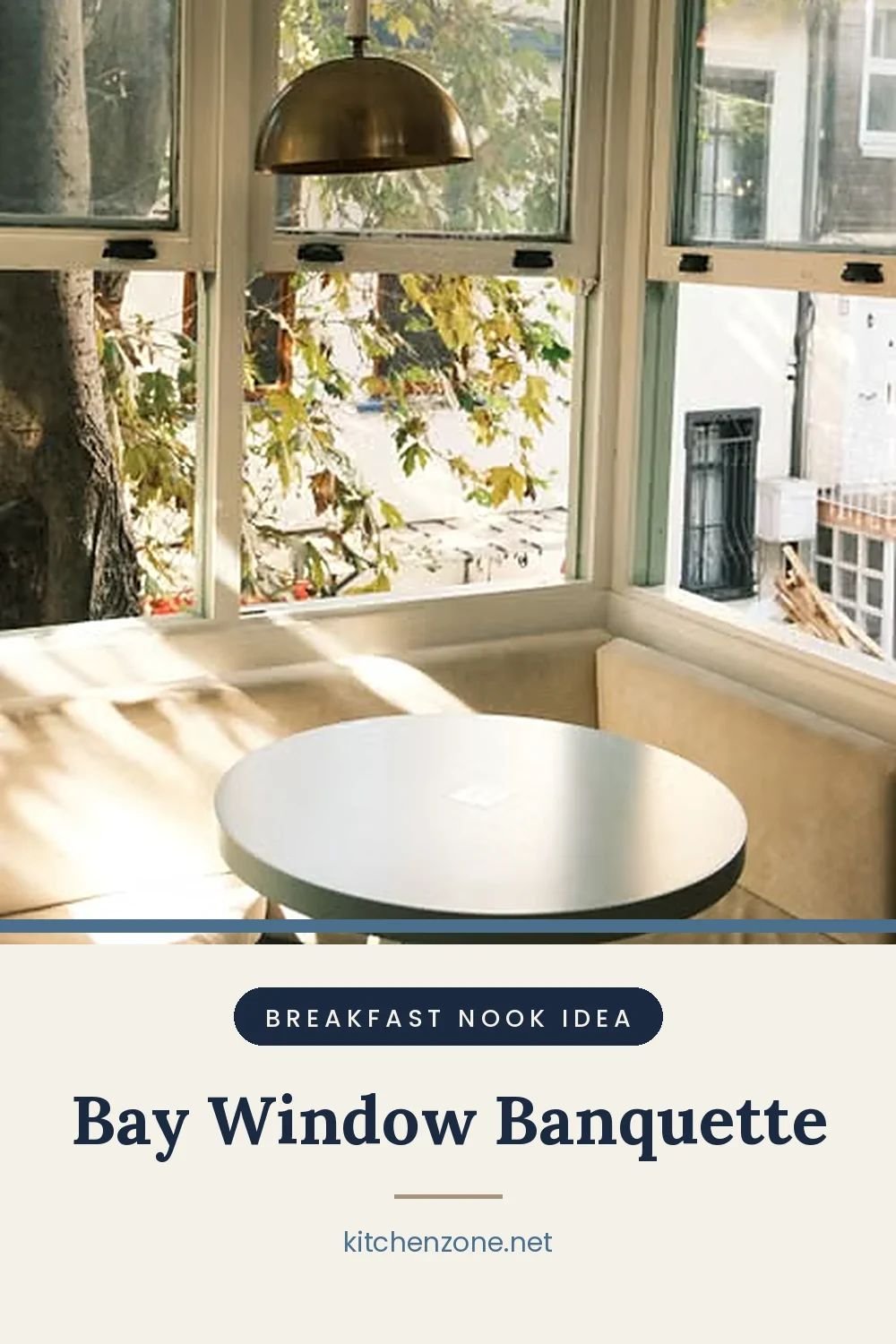
Image Source: Pexels
Let the window be the main feature. Use simple fabric and a pendant light that doesn’t block the view.
Color Palette
5. Color-Pop Nook
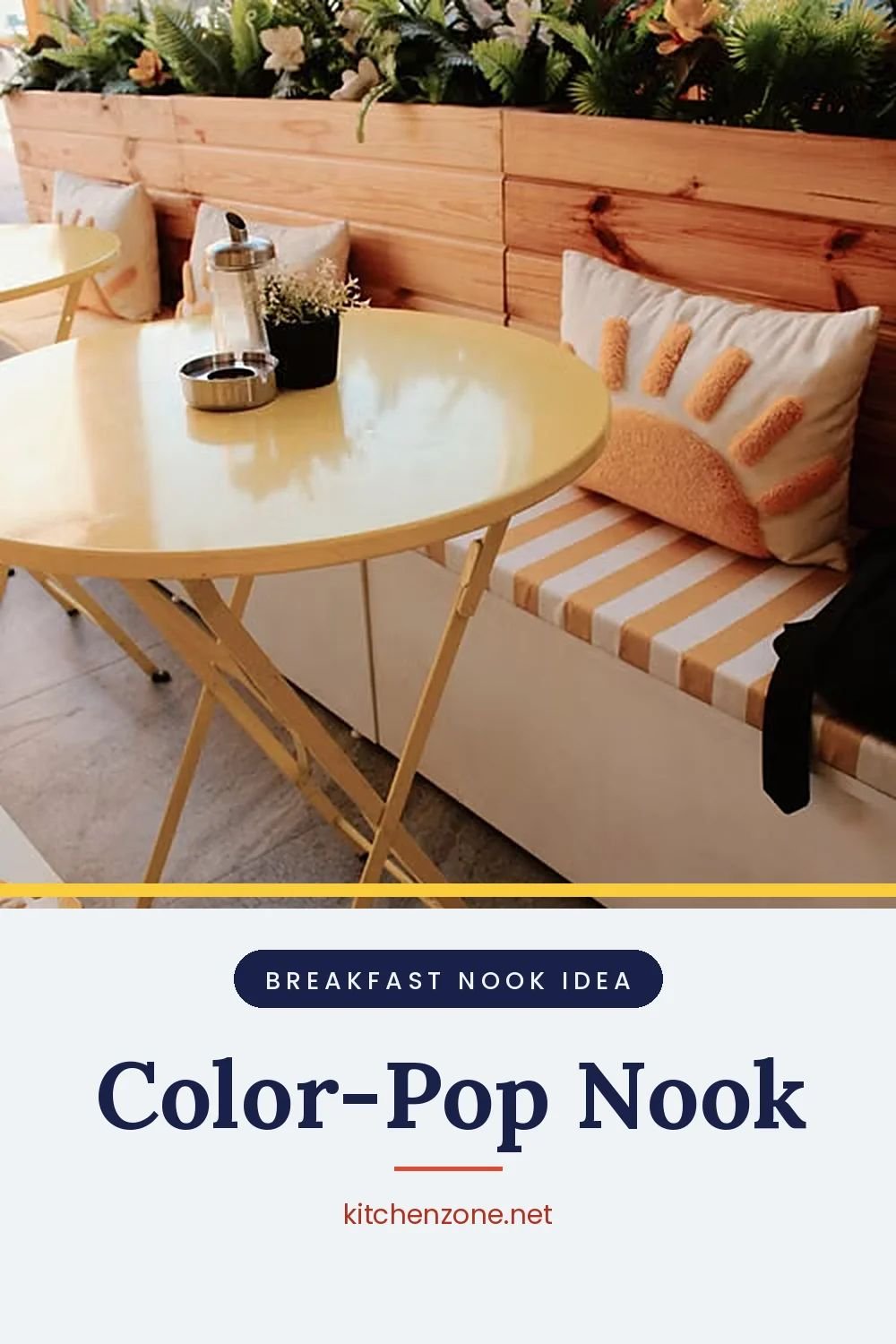
Image Source: Pexels
Paint the bench base or use a bold cushion fabric. Neutral walls give the color room to stand out.
Color Palette
6. Dark and Moody
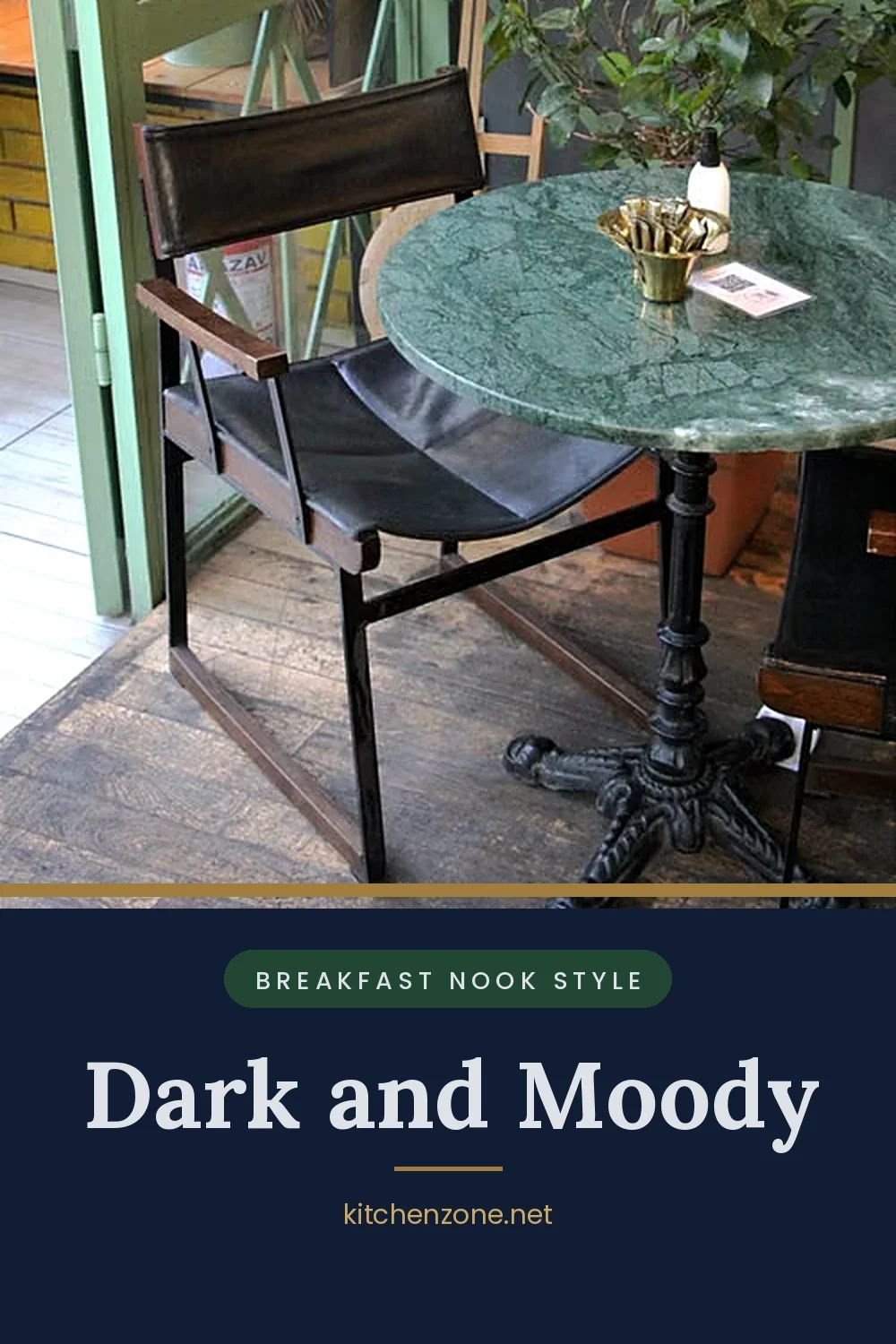
Image Source: Pexels
Deep green or navy paint, brass lighting, and a pedestal table. Add mirrors or glossy finishes so the corner doesn’t feel heavy.
Color Palette
7. Small-Space Bistro Corner
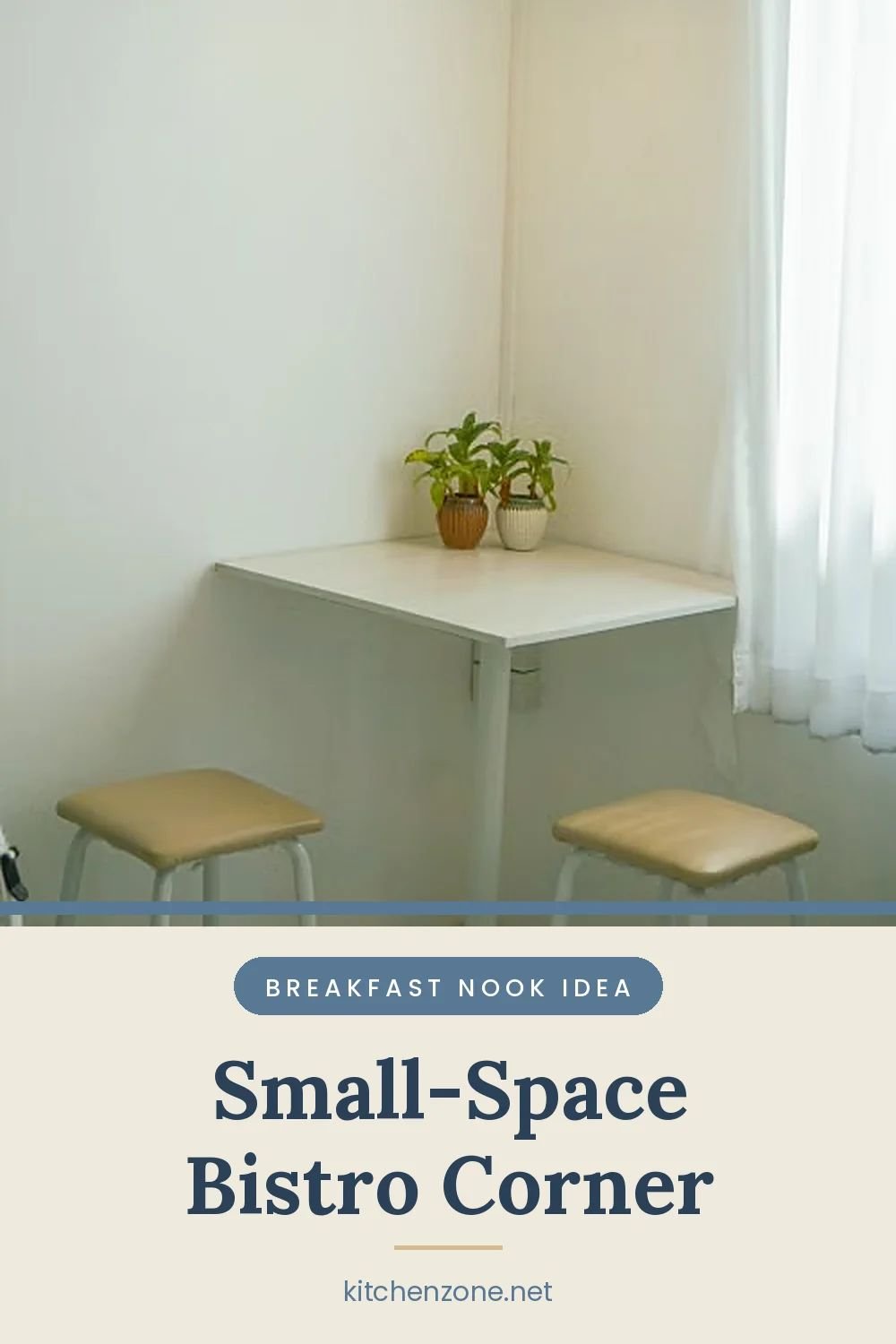
Image Source: Pexels
A 2-person table, two chairs, and a bench or stool. Stick to light colors and thin-legged furniture.
Color Palette
8. Wallpapered Nook
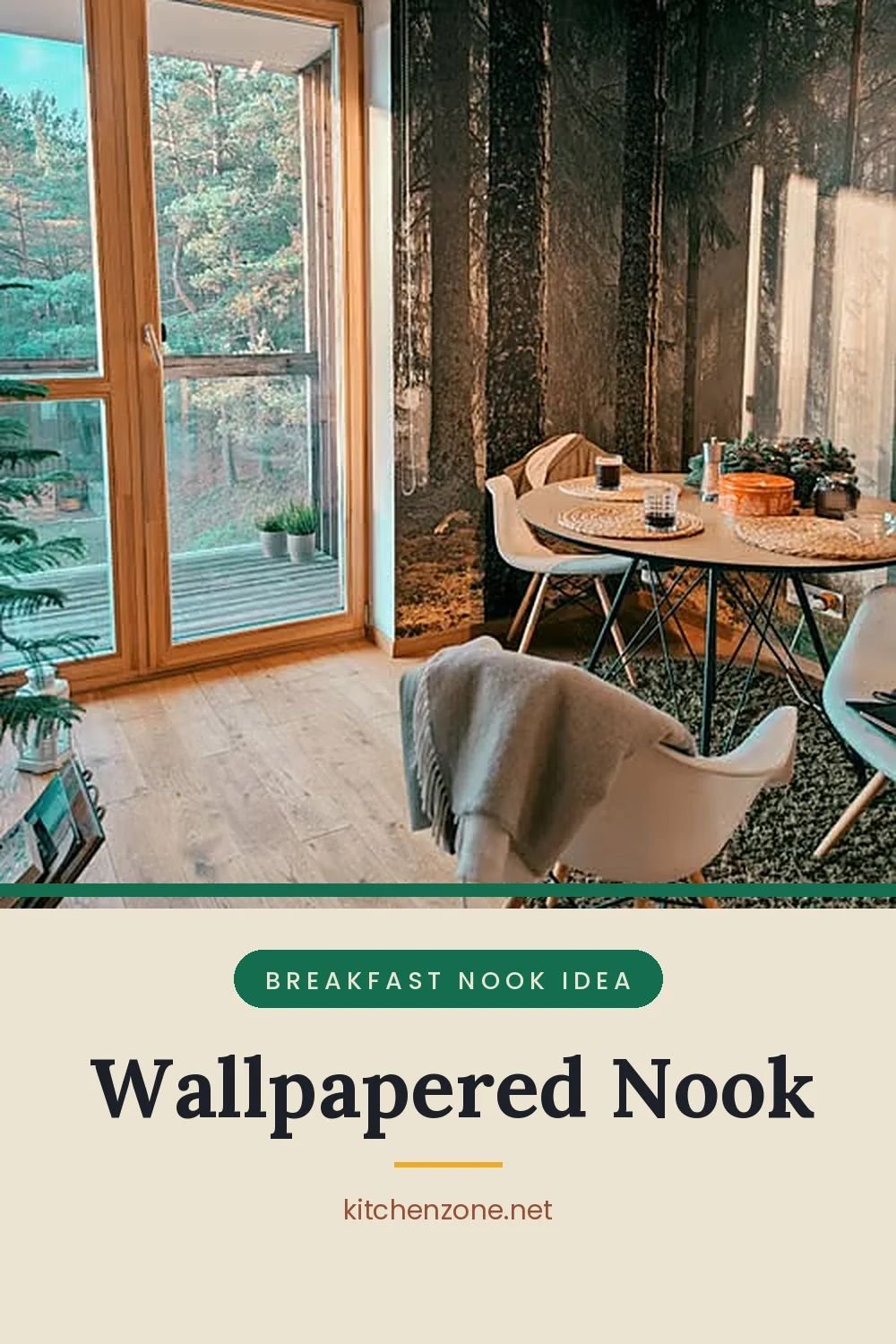
Image Source: Pexels
A small space is a good place to try a bold pattern. Because the area is limited, the cost and the risk stay low.
Color Palette
9. Window Seat Nook
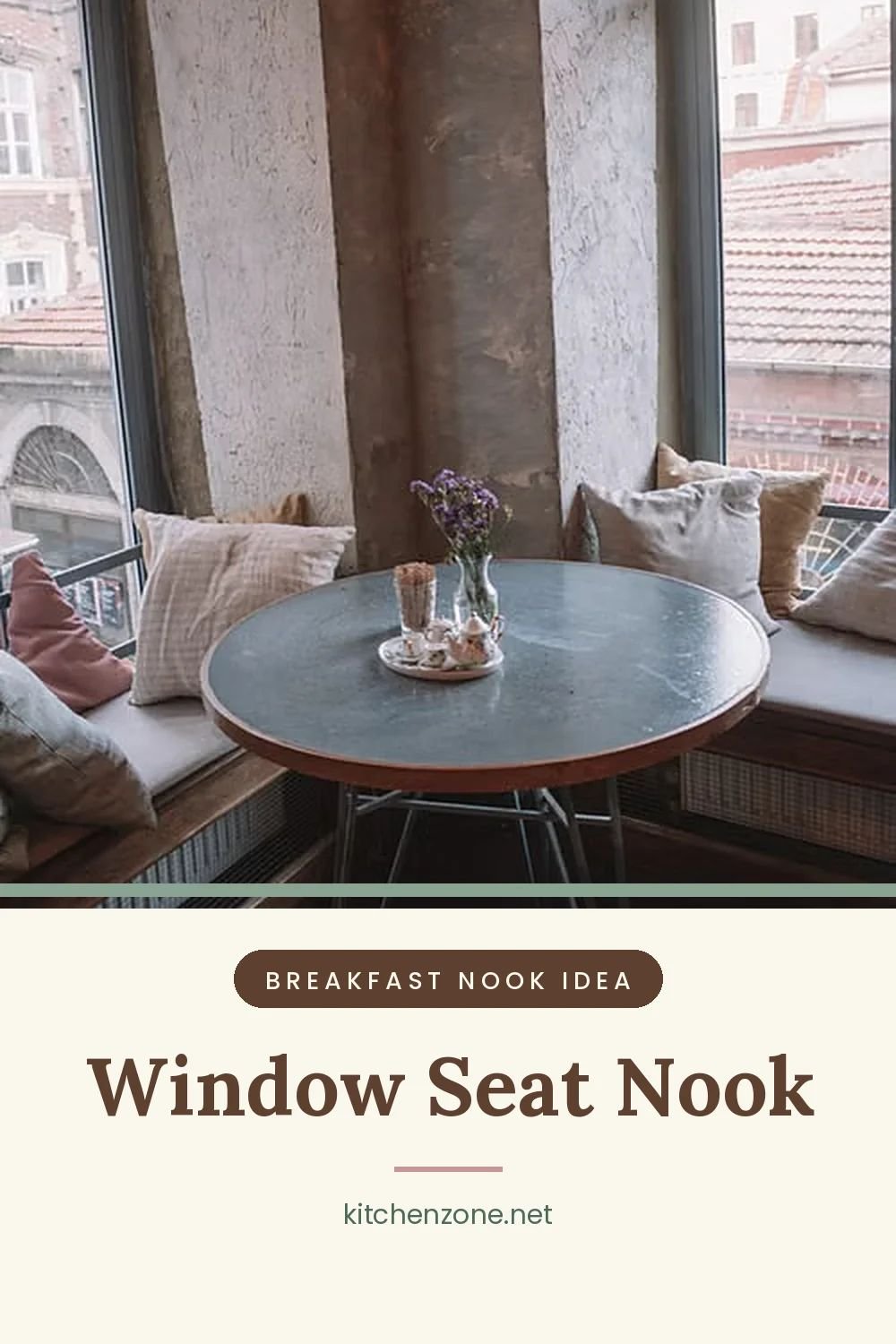
Image Source: Pexels
A shallow bench under a window with a narrow table. Great as a reading and coffee spot, even if it is not a full dining area.
Color Palette
10. Mixed-Material Nook
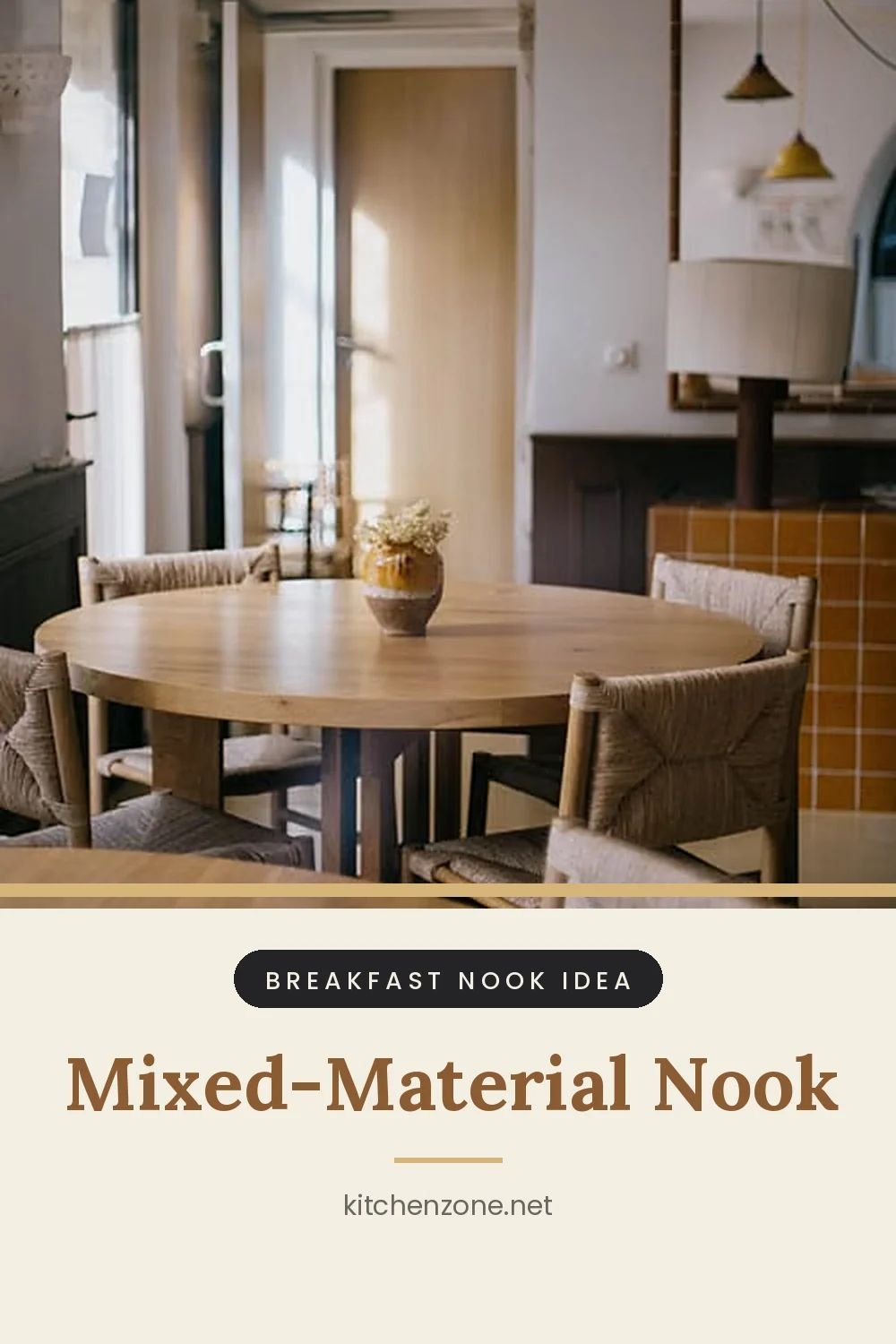
Image Source: Pexels
Pair a wood table with woven or cane chairs and a stone or metal lamp base. Different textures add depth without adding color.
Color Palette
11. Open-Plan Nook
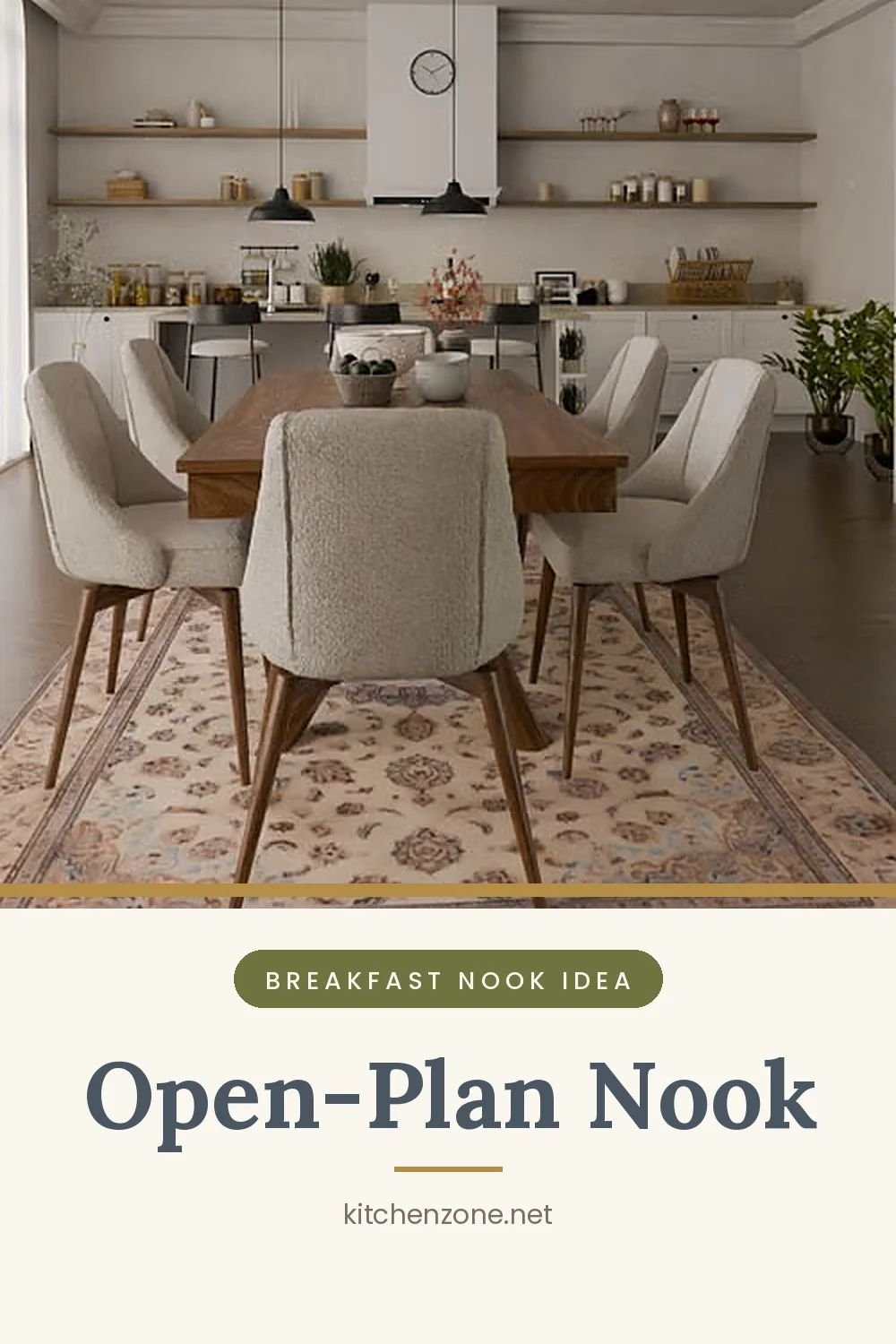
Image Source: Pexels
When the nook shares space with a living area, define it with a rug and a pendant light so it reads as its own zone.
Color Palette
12. Plate-Wall or Gallery Nook
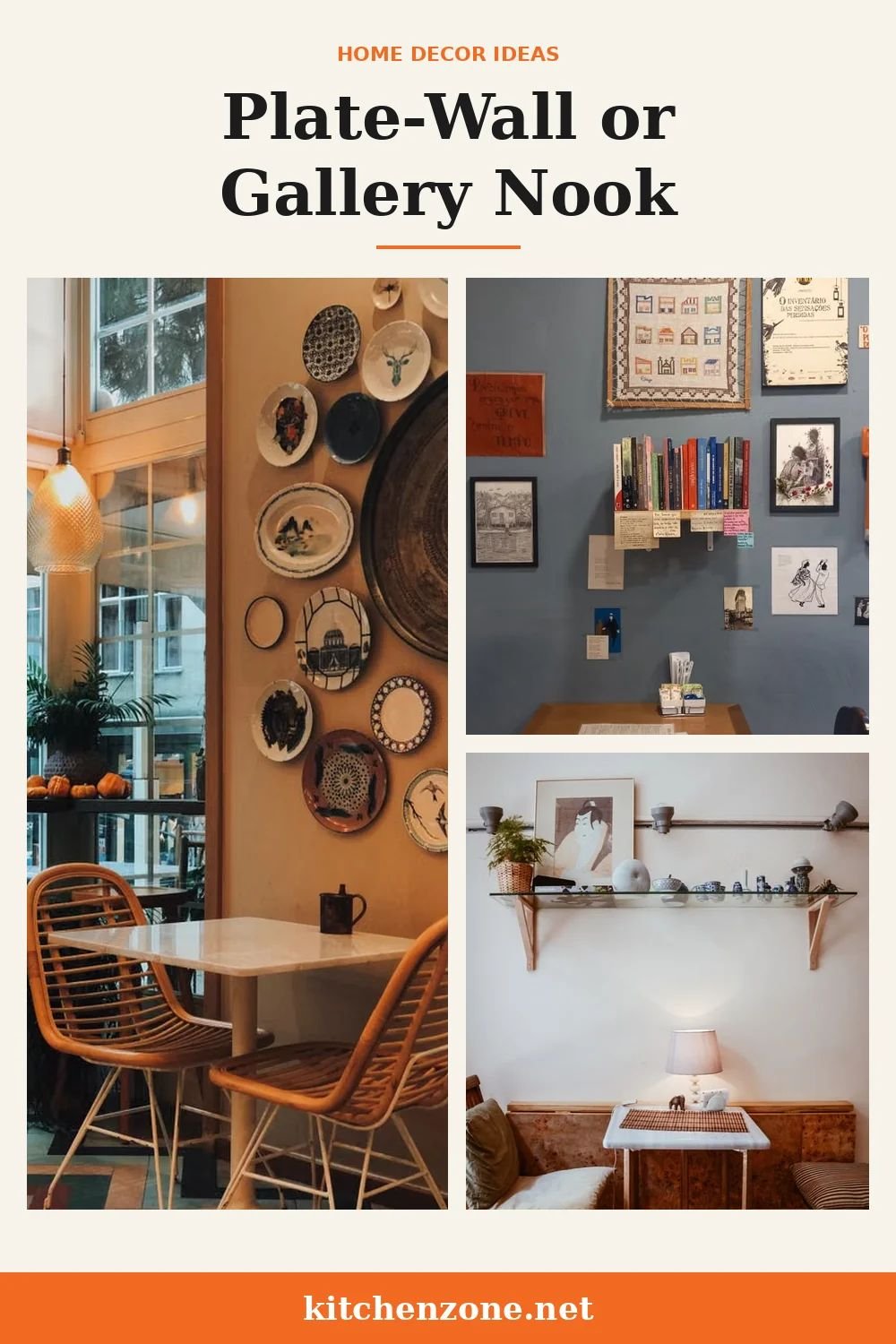
Image Source: Pexels
Frame art or a plate collection above the bench. Trace each piece on paper, tape the layout to the wall, and adjust before drilling.
Color Palette
Seating: Banquette, Bench, or Chairs?
Banquettes save space and can include storage, but they are harder to move later.
Benches are flexible and good for renters, though most lack a back.
Chairs are easiest to rearrange and guests can slide in more freely.
A mix is common: a bench against the wall and chairs on the open side.
Seat Height and Depth
One builder’s rule of thumb is a finished seat height of about 18 inches, including the cushion, and a seat about 18 inches deep. Foam compresses, so plan for it when you choose the base height (Fine Homebuilding). Treat these as starting points and sit on a test bench if you can, since comfort depends on your height.
A slightly tilted back (the same builder used 7 degrees) is usually more comfortable than a straight one.
Choosing a Table
- Round or oval: Easier to slide into and good for tight corners.
- Rectangular: Fits long walls and larger groups.
- Pedestal base: One central base leaves legs out of the way. Editorial advice: with a corner bench, a pedestal base is far easier to slide around than four corner legs.
For a table about 30 inches high, allow the NKBA knee space listed above.
Fabrics That Survive Daily Use
Breakfast nooks see crumbs, coffee, and sticky fingers. A few terms help when you shop:
- Double rubs: A durability score from the Wyzenbeek test (ASTM D4157). Many suppliers treat about 15,000 as a minimum for regular dining use, and 30,000 or more for very heavy use (Sailrite). Cutoffs vary by seller, so check the spec sheet.
- Cleaning codes: W means water-based cleaners are safe, S means solvent only, and WS allows both (Canvas Etc.).
- Leather or vinyl: Easy to wipe, but check how it feels in hot and cold weather.
- Velvet and boucle: Soft, but they hold crumbs and hair more easily. Choose performance versions if you want them.
If the bench sits near the stove or sink, choose the most wipeable fabric you can find.
Lighting and Window Treatments
Overhead Light
A pendant or chandelier over the table helps define the nook. A common retail guideline is to hang it 30 to 36 inches above the tabletop with an 8-foot ceiling, adding roughly 3 inches for each extra foot of ceiling height (Williams-Sonoma). Center it over the table, not the room.
Wall Sconces
Good when the ceiling is slanted or the table is pushed into a corner.
Windows
Cafe curtains, Roman shades, or woven shades soften harsh sun and add privacy while still letting in light. Keep flammable fabric away from the cooktop.
Rugs
A rug can define the zone. A common guideline is to extend it at least 24 inches beyond the table on all sides so chairs stay on it when pulled out (Sierra Living Concepts). If the nook is tiny, make sure at least the front chair legs sit on the rug. Pick a flat or low-pile rug that is easy to sweep.
Storage Ideas
- Lift-up bench lids: More usable space than drawers.
- Floating shelves: Cookbooks, a coffee station, or plants.
- Baskets under a bench: An easy option without building anything.
- Hidden pet space: Some people tuck a litter box behind or beside the bench, but plan ventilation and access first.
Small-Space and Rental Ideas
- Choose a small round table.
- Use two backless benches in an L-shape, with removable cushions.
- Hang a plug-in sconce instead of wiring a pendant.
- Add a mirror to bounce light around.
- Use peel-and-stick wallpaper for color you can take down.
Common Breakfast Nook Mistakes
- Skipping clearance. A pretty nook feels awful if you can’t pull out a chair.
- Choosing a delicate fabric. Test with a wipe.
- Hanging the light too low or too high. Check the 30 to 36 inch guideline.
- Using a table with corner legs against a bench. People get stuck.
- Forgetting outlets. Plan for a phone charger or lamp.
- Buying everything matching. A mix of textures feels more relaxed.
- Ignoring window height. A low window can change how a built-in looks.
FAQs
How big does a breakfast nook need to be?
There is no single size. Use your table dimensions plus NKBA clearances: 32 inches behind seated diners if no one passes, and more if people walk by. Tape it out on the floor to test.
What is the best table for a breakfast nook?
Round or oval tables suit corners and bays. Pedestal bases are easier to slide into than corner legs.
How high should a bench be?
About 18 inches finished with cushion is a common starting point for dining. Test your own comfort.
What fabric should I use for nook cushions?
Choose a durable, wipeable fabric. Look at double rub ratings and cleaning codes, and be cautious with light colors near the stove.
Can I make a nook without building anything?
Yes. Use a freestanding bench or two storage benches, a small table, cushions, and a light.
Conclusion
Start by measuring the floor and taping the layout. Then choose seating you’d happily sit on, a fabric you can wipe clean, and one pendant or sconce that lights the table. After that, add the curtains, rug, and artwork that make the corner yours.
Read Also: Interior Design Budget Calculator