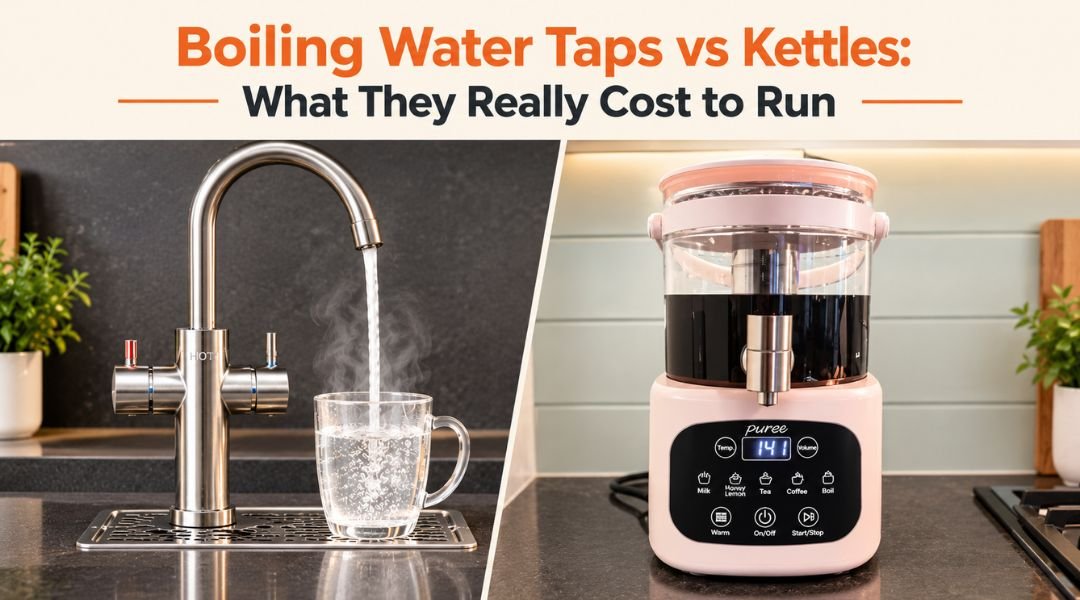
Boiling water taps have currently become a popular choice for modern kitchens. If you look at kitchen designs or visit a showroom, you will often see this type of tap next to the sink. Do you know what these taps are for? These taps can provide hot water instantly, save time, and help keep the kitchen counter clean.
However, many homeowners have an important question in mind: Can a boiling water tap actually be operated at a lower cost than a regular kettle? Honestly, the answer depends on how often you use hot water. In some households, a boiling water tap can save energy, while in others, using a standard kettle might be more cost-effective.
Let’s look at the cost breakdown and compare the two.
How a Kettle Uses Energy
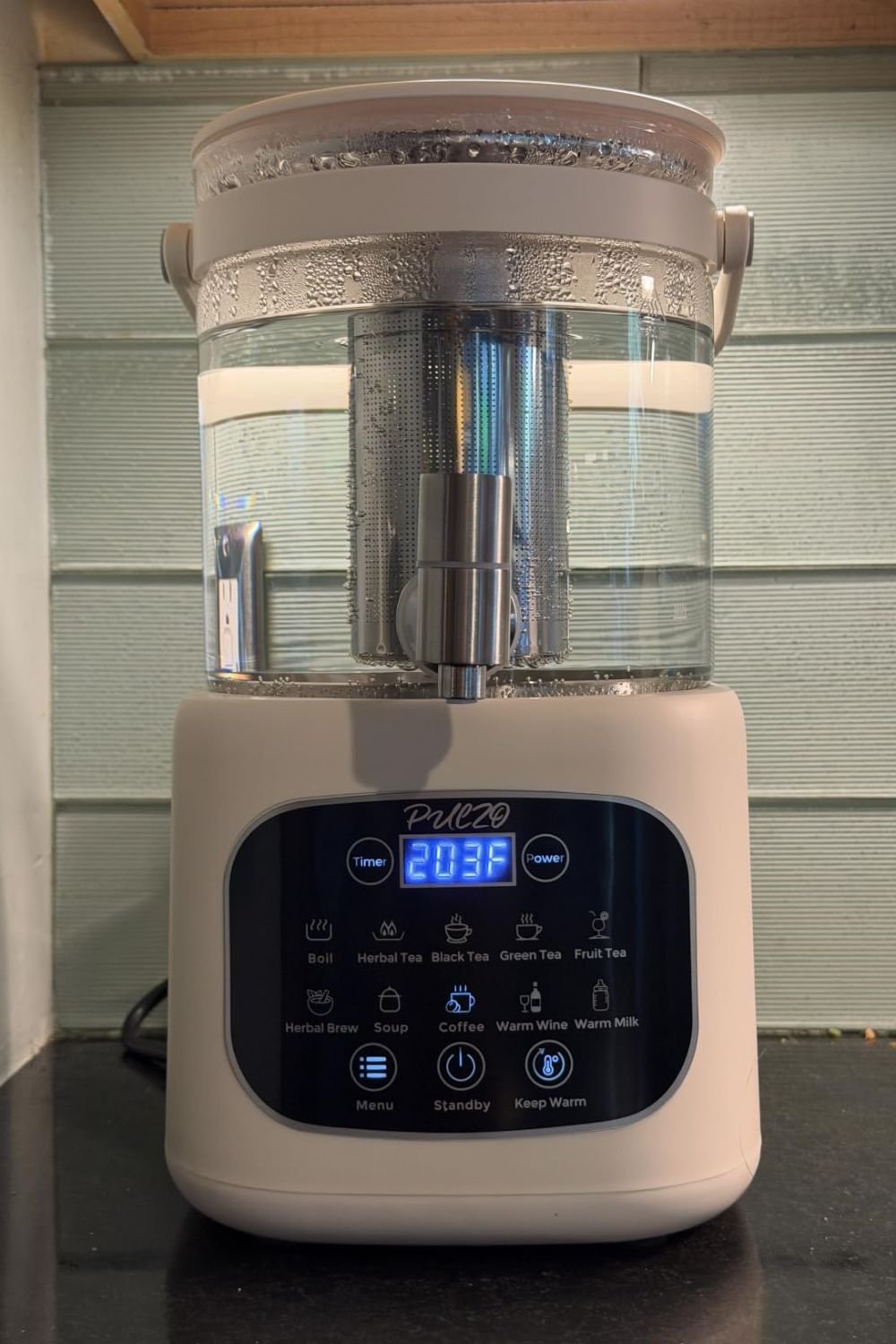
A standard electric kettle consumes approximately 3 kilowatts of power while operating. It generally takes about 0.1 kWh of electricity to boil one liter of water starting from cold water.
In my daily routine, I have noticed that while making tea, we sometimes boil more water than necessary. This made me realize how much electricity can be saved by boiling only the amount of water actually needed. That is why I have become interested in boiling water taps.
We often boil more water than is actually needed. Suppose you fill a kettle with a liter of water to make a single cup of tea. Heating this extra water consumes electricity, even though you won’t actually use it.
If a household uses a kettle approximately 1,500 times a year, the total energy consumption can be around 160–170 kWh. This calculation also includes the cost of boiling a little extra water each time.
For example, using the current electricity rate, a typical household electricity bill would be £40–£45. This means that running a standard kettle might cost less than many people think.
How a Boiling Water Tap Uses Energy
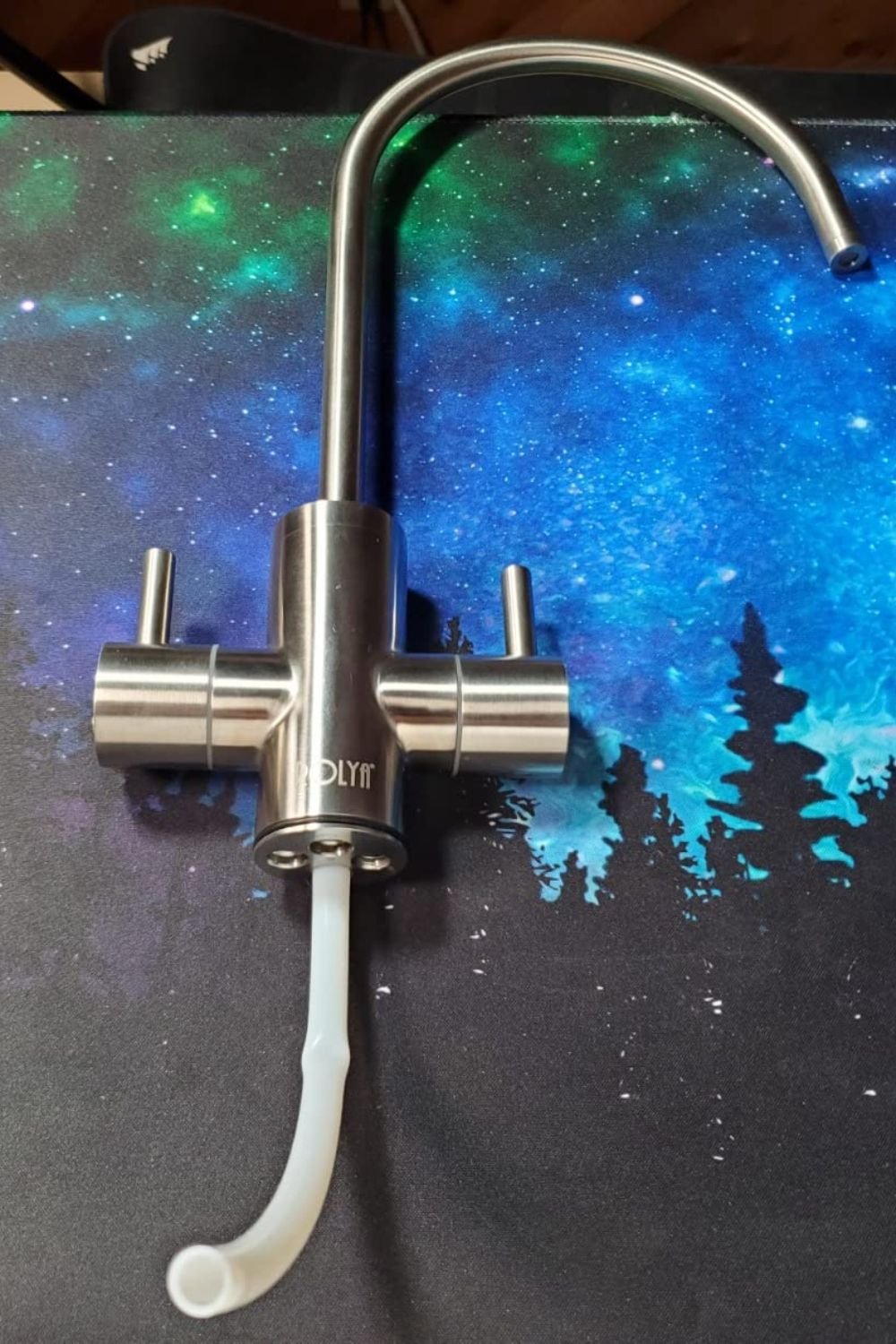
The boiling water tap operates slightly differently from a regular kettle. There is a small insulated tank under the sink that keeps water ready and hot. The tank uses a small amount of electricity throughout the day to maintain the water temperature.
And this is generally referred to as standby energy use.
A modern, well-insulated water-heating tank consumes approximately 10–12 watts of power to keep the water hot. Its power consumption is close to that of a small LED bulb.
The electricity consumption for the entire year could be approximately 90–105 kWh.
While researching modern kitchen designs, I found that keeping the countertops clear makes the kitchen look more spacious and organized. In this case, replacing the tap with a boiling water tap could reduce the need to keep a separate kettle.
However, before buying it, make sure to check if there is sufficient space under the sink.
So, Which One Actually Costs Less?
My research shows that when standby power and water heating costs are calculated together, the annual operating expenses for a boiling water tap and a standard kettle can be roughly the same.
For some households, the difference may be only a few pounds a year.
The biggest factor is how often you use hot water.
A boiling water tap may suit you if:
You make tea or coffee many times throughout the day.
You have a busy family kitchen or work from home.
You want hot water without waiting for a kettle to boil.
You want to keep your kitchen counter neat and free up space.
A regular kettle may suit you if:
You live alone or with one other person and only boil water a few times a day.
You spend much of the day away from home.
You want to avoid the extra electricity used to keep water hot.
You prefer a simple appliance without extra maintenance costs.
In simple terms, the more often you use hot water, the more useful a boiling water tap may become. If you use it only a few times a day, the standby cost can make a regular kettle cheaper.
The Extra Costs People Often Forget
The cost of electricity is only one part of owning a boiling water tap.
Make sure to find out about any additional costs before purchasing.
Installation
Installing a boiling water tap is not always a simple job.
You will usually need a plumber to fit the tap and tank. Depending on your kitchen, you may also need an electrician to install a power socket under the sink.
These expenses can stack up to a substantial amount. Therefore, if you include the installation cost in your budget before making the purchase, you can avoid facing any issues later on.
Filters
Most boiling water taps use filters to help reduce limescale and improve water quality.
These filters usually need to be replaced about once a year, although the exact timing depends on the model and how much water you use.
The replacement cost may seem small, but it is an ongoing expense that you do not have with a regular kettle.
Tank Lifespan
The tank is one of the most expensive parts of a boiling water tap.
Like any kitchen appliance, it will not last forever. Before buying, check how long the warranty lasts and how much a replacement tank would cost.
Knowing this in advance can save you unforeseen costs later.
Hard Water Areas
If you live in an area with hard water, limescale can build up inside the tank and affect how well it works.
A suitable filter can help reduce this problem, but regular maintenance is still important.
Ignoring limescale may shorten the life of the tank and lead to extra repair costs.
When you include installation, filters, and possible repairs, a boiling water tap may cost more overall than a regular kettle.
That does not imply that it is a wasteful decision. It simply means that saving money is not always its biggest benefit.
So, Is a Boiling Water Tap Worth Buying?
If your main goal is to reduce the electricity bill, then I don’t think a boiling water tap is the right choice for you.
Its running costs can be similar to those of a kettle, and the extra costs of installation and filters can make it more expensive over time.
However, a boiling water tap may be best for you if
You prepare tea or coffee multiple times during the day.
You want hot water without waiting for a kettle.
You desire an additional unoccupied area on your kitchen countertop.
You enjoy the convenience of having hot water ready whenever you need it.
For many people, the biggest benefit is saving time and making everyday kitchen tasks easier.
In my opinion, it is better to view a boiling water tap as a convenient kitchen addition rather than merely a source of wasted electricity.
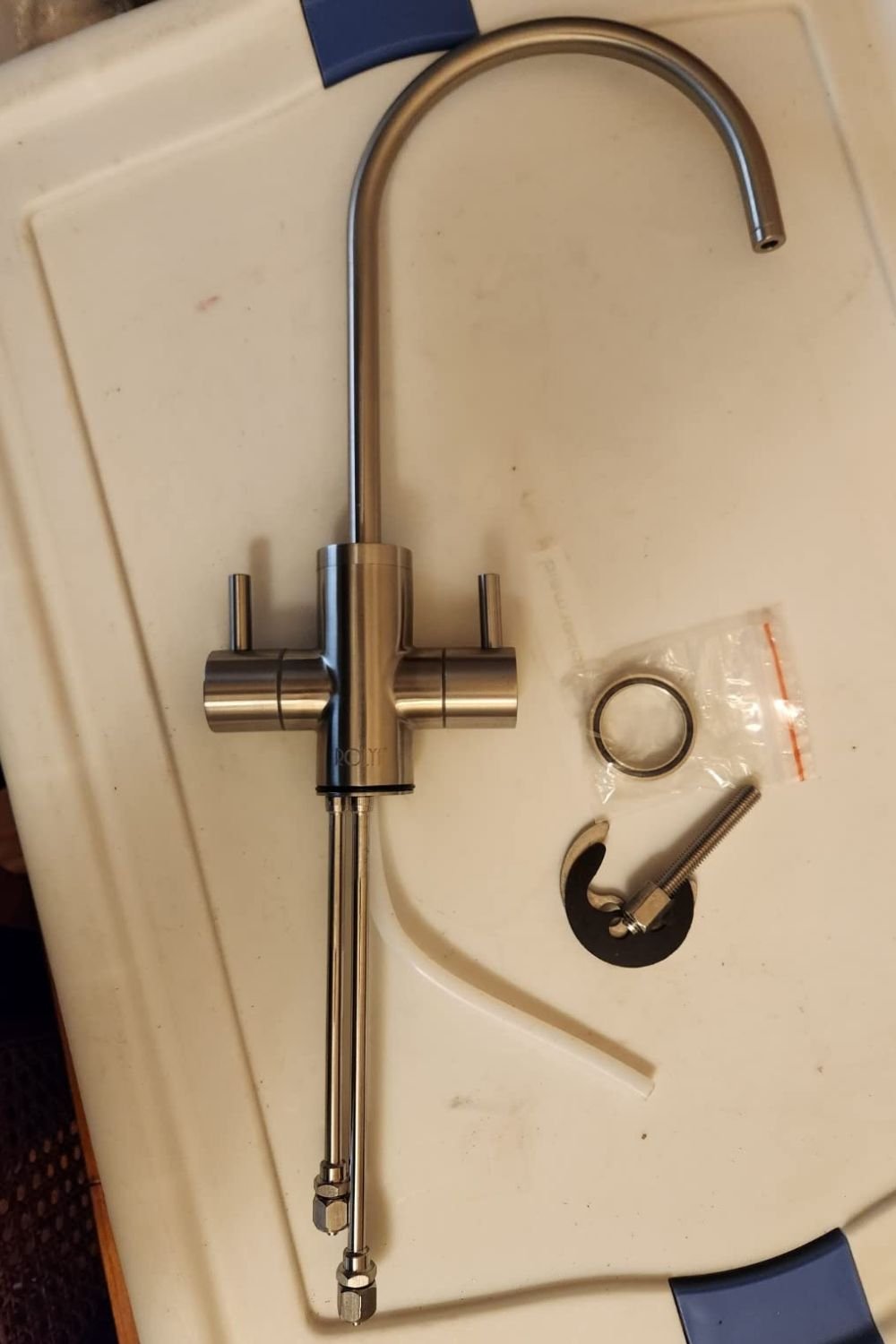
What to Check Before Buying a Boiling Water Tap
If you are considering buying a tap that dispenses boiling hot water, be sure to check these four things.
Water pressure: Some taps need a certain level of water pressure to work properly. If your home uses a gravity-fed water system, check whether the tap is compatible before buying.
3-in-1 vs. 4-in-1: A 3-in-1 tap provides hot, cold, and boiling water. A 4-in-1 tap also provides filtered chilled water. The extra feature can increase the price, so think about whether you will actually use it.
Tank size: A larger tank takes up more space under the sink and may use more energy. Choose a size that suits your household’s daily needs.
Warranty: Check how long the tank is covered by the warranty. A five-year warranty can be a useful starting point, but always read the terms and conditions before buying.
In my opinion, a boiling water tap is a kitchen upgrade that isn’t essential for everyone. This can be very helpful for individuals who require hot water several times daily. However, for small kitchens or households with low water usage, a regular kettle can also be a practical choice.
I hope that after reading this article, you will be able to decide whether or not to buy a boiling water tap.
Thanks to everyone reading this article.
Read Also: White Ceramic Flower Vases: Honest Guide to This Lovely Heart Set