Did you know? Indoor plants can significantly transform the atmosphere of a room without any major makeovers. It wasn’t always the case that the plants in my room were so neatly arranged. When I first brought plants home, I practically turned my little room into a jungle! Over time, I realized that the real magic lies in placing the right plant in the right spot.
I have always liked how a well-placed plant can soften furniture, fill an awkward corner, or add a little life to an otherwise plain space. The trick, in my experience, is not simply adding as much greenery as possible. It is about choosing the right size, finding the right location, and allowing the plant to work naturally with the furniture and overall style of the room.
When I style indoor plants, I think about proportion, natural light, visual balance, and the way people move through a space. A small group of plants can work beautifully in a compact apartment, while a single tall indoor tree can make a much stronger statement in a larger room. Here are 10 practical indoor plant ideas that can work throughout your home.
Entryway Indoor Plant Ideas to Make a Great First Impression
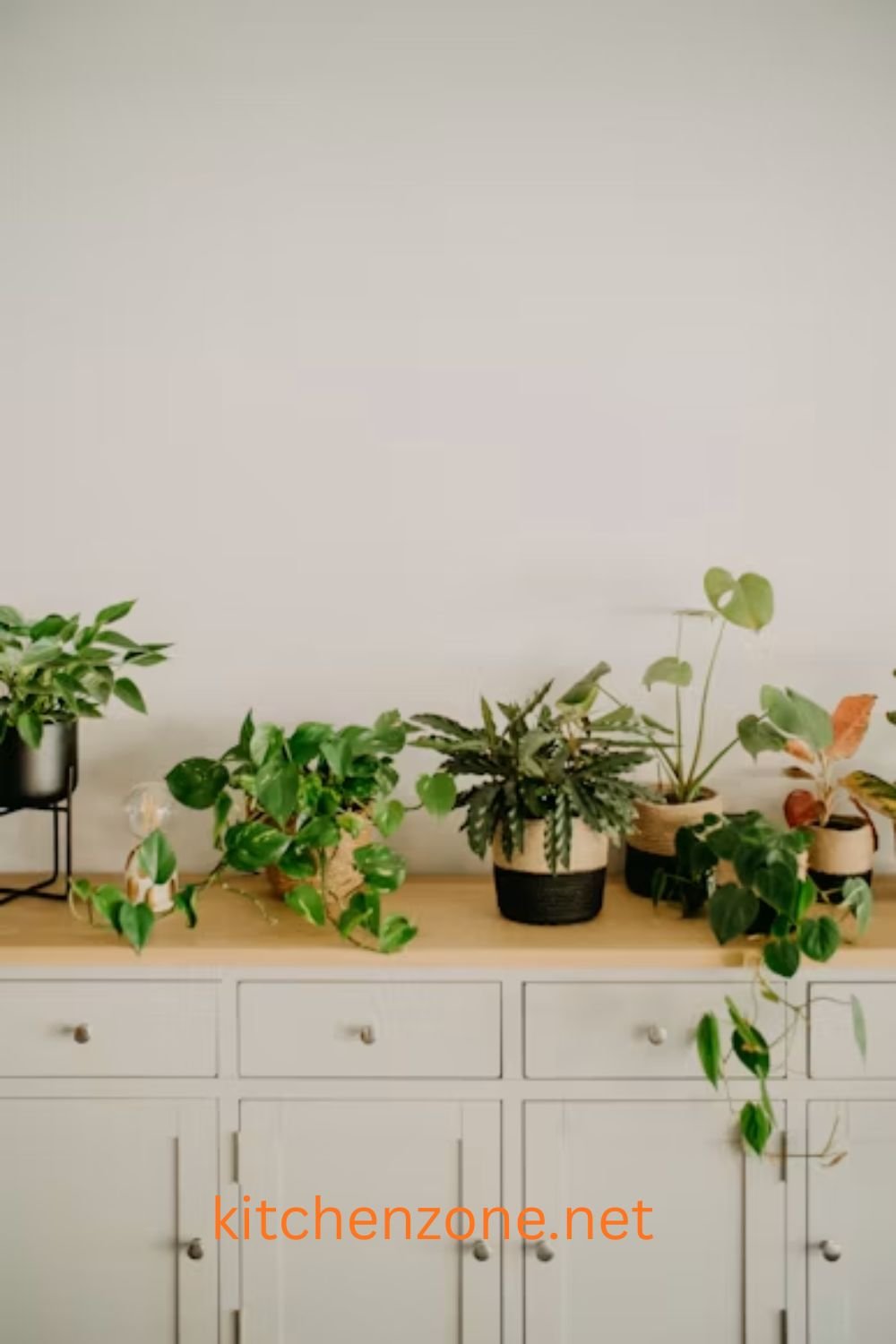
Image Credit: Unsplash
The entryway is one of my favorite places to use indoor plants because it is the introduction to your home. When someone walks through the door, a thoughtfully styled console with a beautiful plant can immediately make the space feel warmer and more personal.
For a small entry, I prefer keeping things simple. Instead of forcing a large plant into a tight area, create a small vignette with several potted plants grouped together. This gives you greenery without making the entrance feel crowded.
In a larger entry, you have more freedom to use a plant with greater visual weight. The important thing is proportion. A plant should feel appropriately sized for the room rather than disappearing into a large space.
I would avoid placing an oversized tree where it blocks the walking path. At the same time, a tiny plant can look lost in a spacious entryway. Proportion is key, just as it is in the rest of interior design.
Balance the Living Room With Tall Plants and Smaller Groupings
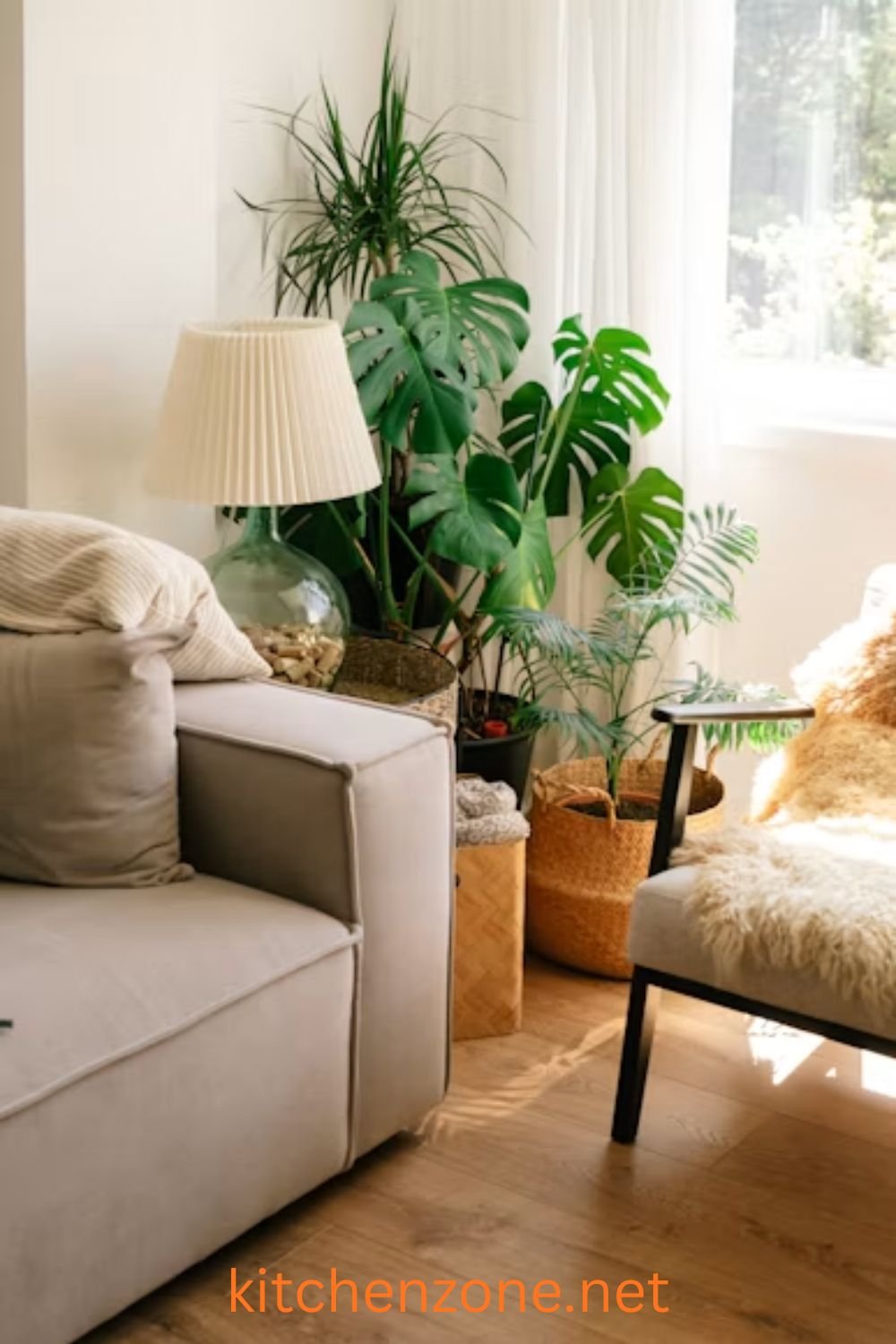
Image Credit: Unsplash
Living rooms are often where indoor plants can have the biggest visual impact. While I love the idea of a huge tree in a room with very tall ceilings, that isn’t realistic for most homes. Instead, try anchoring one corner of the room with a taller indoor plant, particularly beside a sofa or sectional.
The furniture arrangement should guide your plant placement. Rather than putting every plant in one area, distribute greenery throughout the room so different corners feel connected.
If you don’t have enough floor space for a large, sprawling tree, smaller plants can create a similar sense of interest. You can place them on a coffee table, hang them from shelves, or combine several plants at different heights.
Use floating or hanging shelves to bring greenery onto an empty wall. If you rarely use your fireplace, consider styling the opening with a potted plant rather than leaving it completely empty.
I also don’t think planters should be treated as an afterthought. A beautiful planter can act almost like sculptural decor, adding character without taking up much floor space.
Use Statement Plants to Add Character to the Dining Room
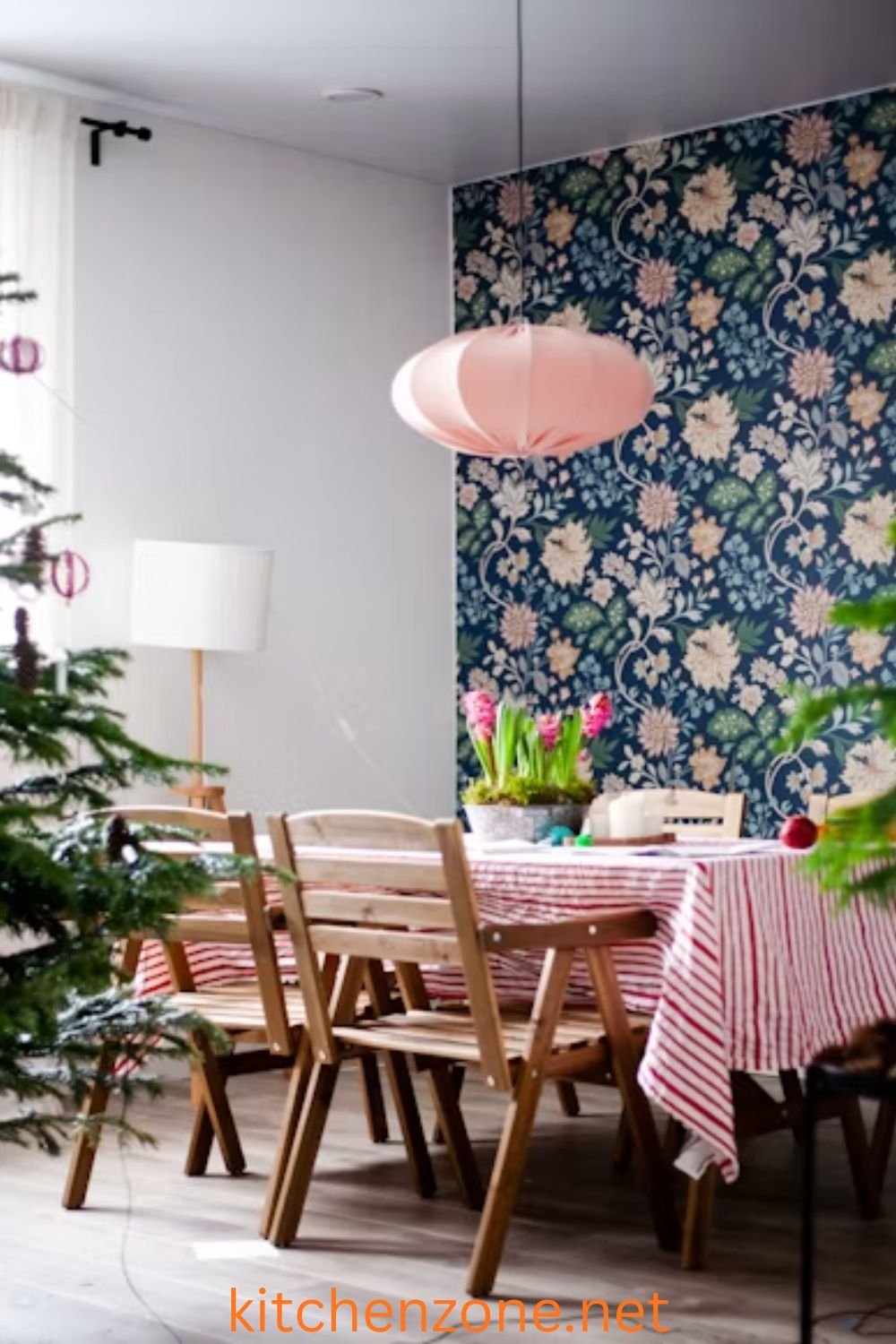
Image Credit: Unsplash
Dining rooms don’t always have much extra space for furniture, so plant placement needs a little more thought. One of my favorite solutions is finding an unused corner and anchoring it with a tall indoor tree.
The container matters here. Instead of leaving a large tree in its nursery pot, transfer it into a beautiful pot, urn, or decorative vessel that fits the aesthetic of your dining room. This is a simple way to make the plant feel like part of the interior rather than something that was simply placed there.
For people who prefer less traditional decor, a living wall can become a beautiful focal point. And in a studio apartment or open-concept home, a bookshelf can work as a divider between the living and dining areas. Filling that bookshelf with plants in different shapes and sizes can create a natural visual separation without making the space feel closed off.
If your style is more minimal, one beautiful indoor plant can also work as the centerpiece of a dining table.
Bring Fresh Greenery Into the Kitchen
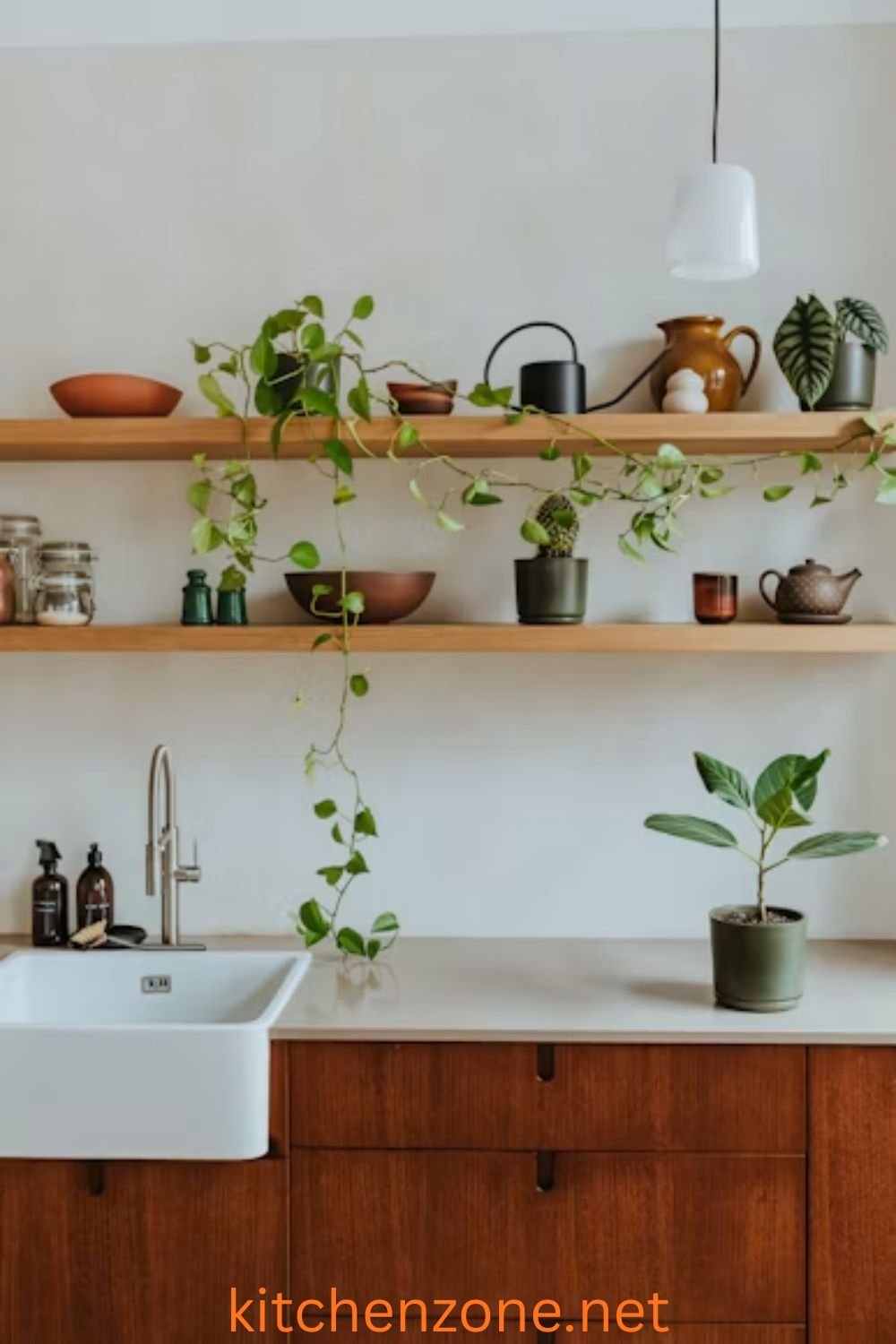
Image Credit: Unsplash
The kitchen is one of my favorite places for indoor plants because many kitchens already have bright windows and open surfaces that can work beautifully with greenery.
If you have floating shelves, use them to create layers. Mix upright plants with trailing varieties and even indoor herbs. Different shapes and heights make the shelves feel more natural instead of looking overly arranged.
Another often-overlooked area is the space above upper kitchen cabinets. If there is plenty of room between the cabinets and ceiling, trailing plants can soften that empty area and introduce movement.
You don’t necessarily need a large collection. Sometimes a simple pot with a bright green plant is enough to bring color and life into the kitchen. The goal is to work with the architecture you already have rather than adding plants simply because you have an empty surface.
Create a Relaxed Indoor Jungle in the Bedroom
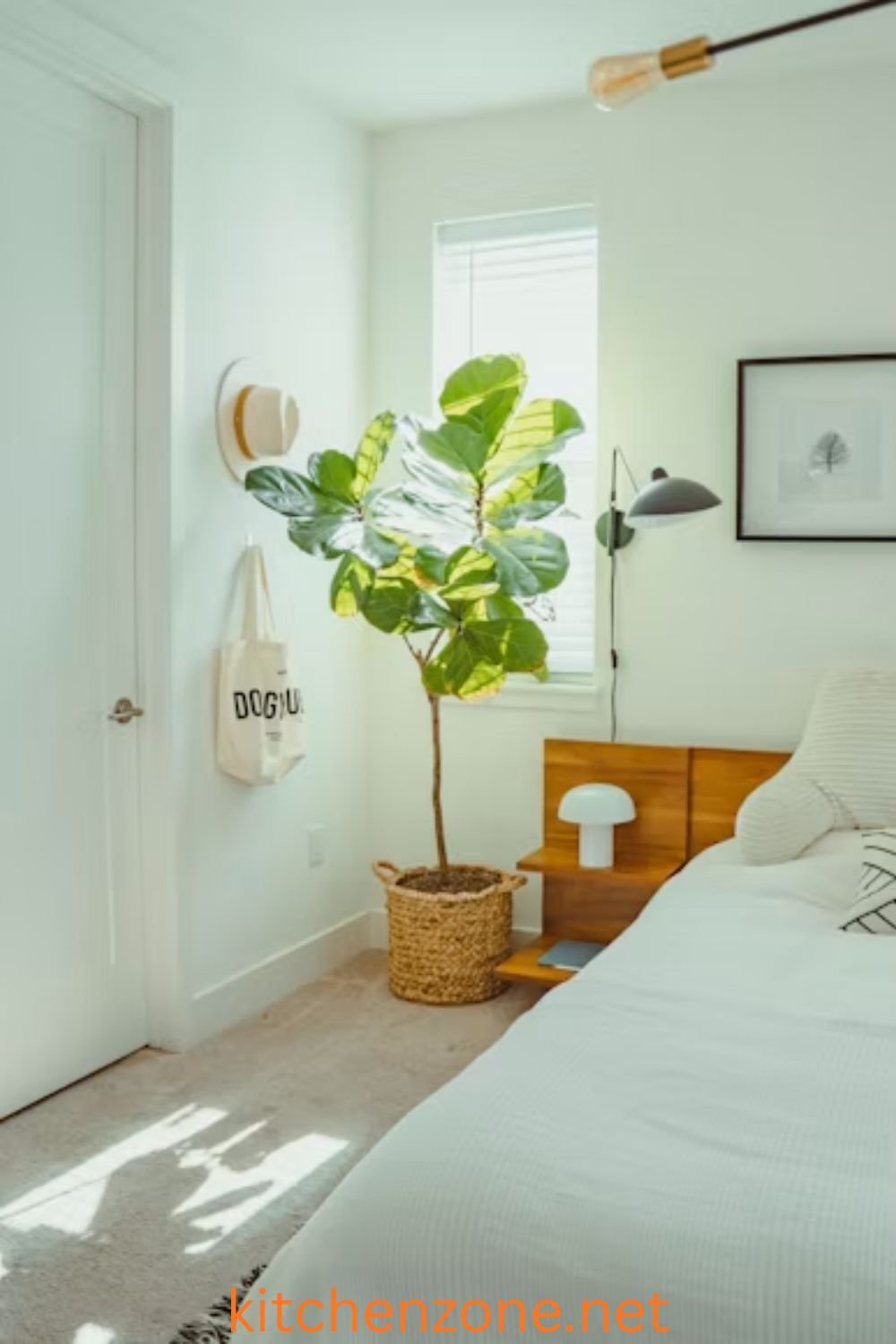
Image Credit: Unsplash
I love the bohemian indoor-jungle look in bedrooms, particularly in smaller apartments and dorm rooms. A collection of hanging plants can bring a wonderful connection to the outdoors without taking up much floor space.
Rather than spreading plants randomly around the bedroom, choose one special corner and make it your main green area. You could also hang plants above a dresser or use a window ledge to display a collection of your favorite plants.
For a little more drama, a large potted plant can anchor an otherwise empty corner. This works especially well when the plant has an interesting shape or large leaves that can stand on their own as part of the decor.
The bedroom doesn’t need to be filled with greenery. A thoughtful arrangement can have much more impact than having plants everywhere.
Turn Your Home Office Into a Small Indoor Garden
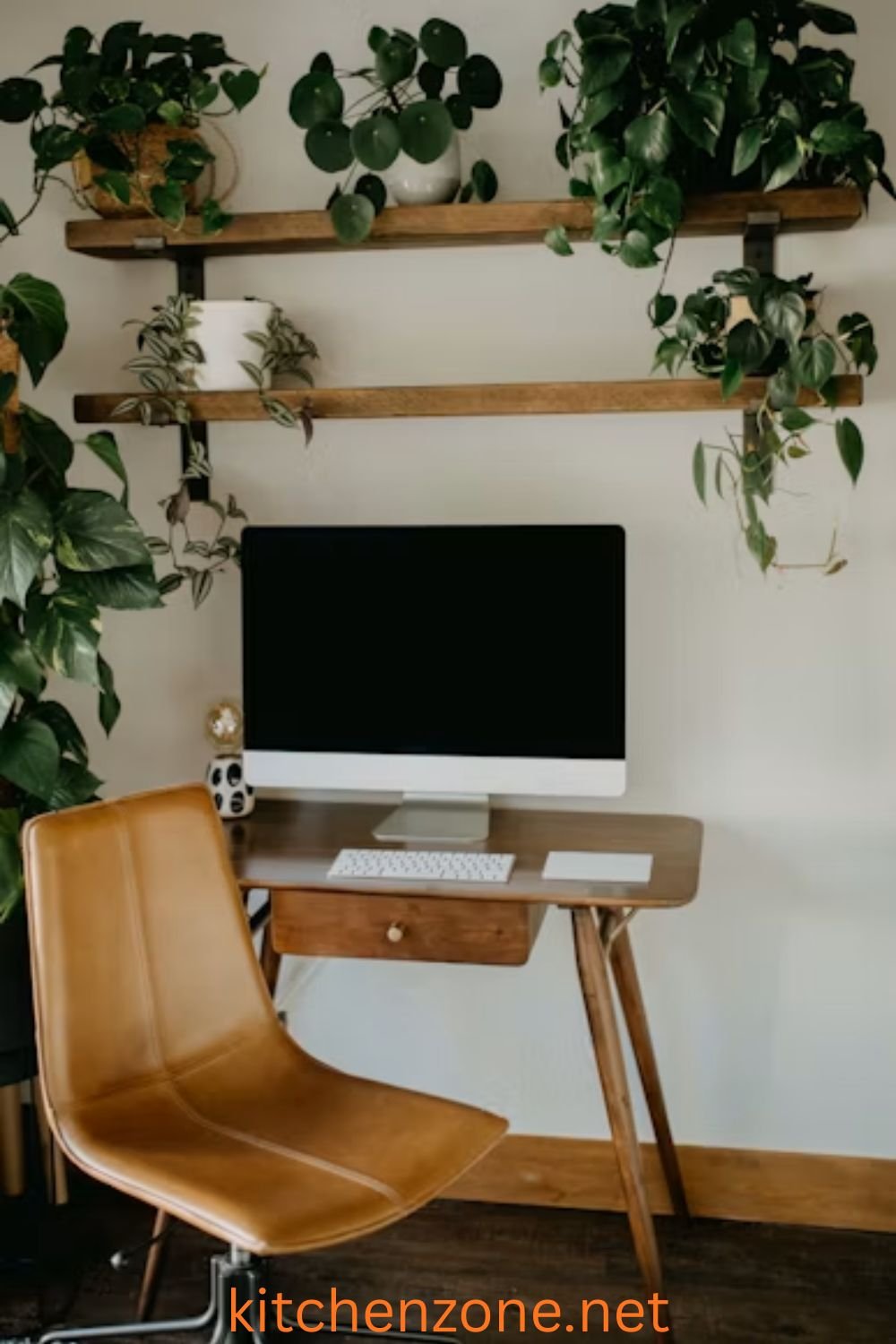
Image Credit: Unsplash
A home office is primarily a workspace, but that doesn’t mean it has to feel purely functional. I like the idea of creating a small indoor garden around the workspace to bring some natural character into the room.
Small potted plants work particularly well on bookshelves. I often like the combination of greenery with books and a few collectible items because it feels personal rather than overly decorated.
Think about the shelves as a composition. Instead of lining every available space with plants, leave some breathing room between them. This gives the room a more relaxed appearance and lets individual plants stand out.
For smaller offices, a few carefully selected plants can be enough. You don’t need a large tree to make the space feel connected to nature.
Use Suitable Plants to Soften the Bathroom
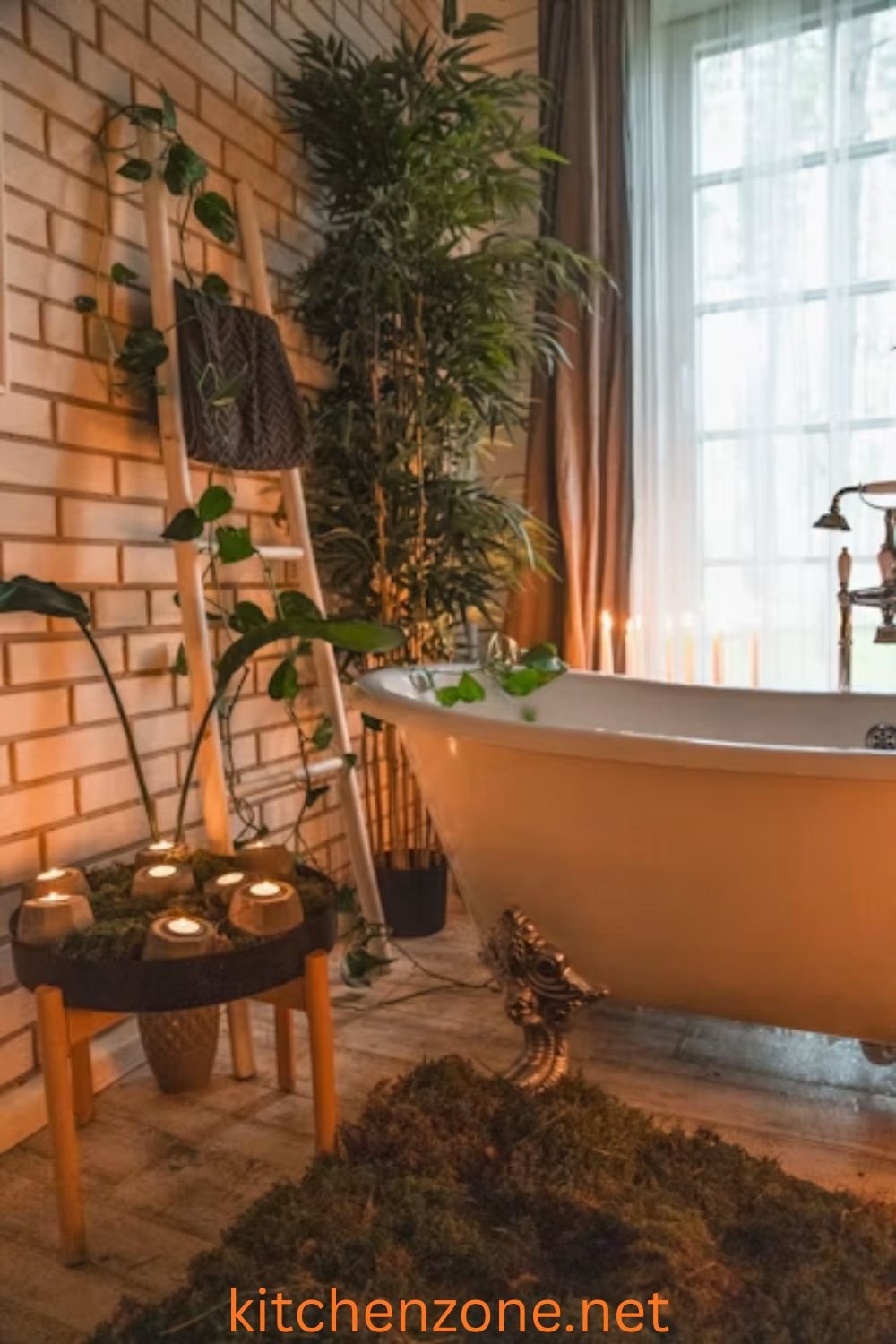
Image Credit: Unsplash
Bathrooms can offer an interesting environment for indoor plant decor, particularly when they have warmth, moisture, and good natural light.
A bright window makes the space even more suitable for bringing greenery into the room. Depending on the available space, plants can be placed near a window, on an appropriate shelf, or in another area where they fit naturally without interfering with everyday bathroom use.
The main thing I would consider before choosing a plant for the bathroom is the room’s available natural light. A beautiful plant will not be a good design choice if its location doesn’t provide the conditions it needs.
For this reason, plant placement should always begin with the actual room rather than simply choosing a spot because it looks attractive.
Let Natural Light Guide Your Indoor Plant Ideas
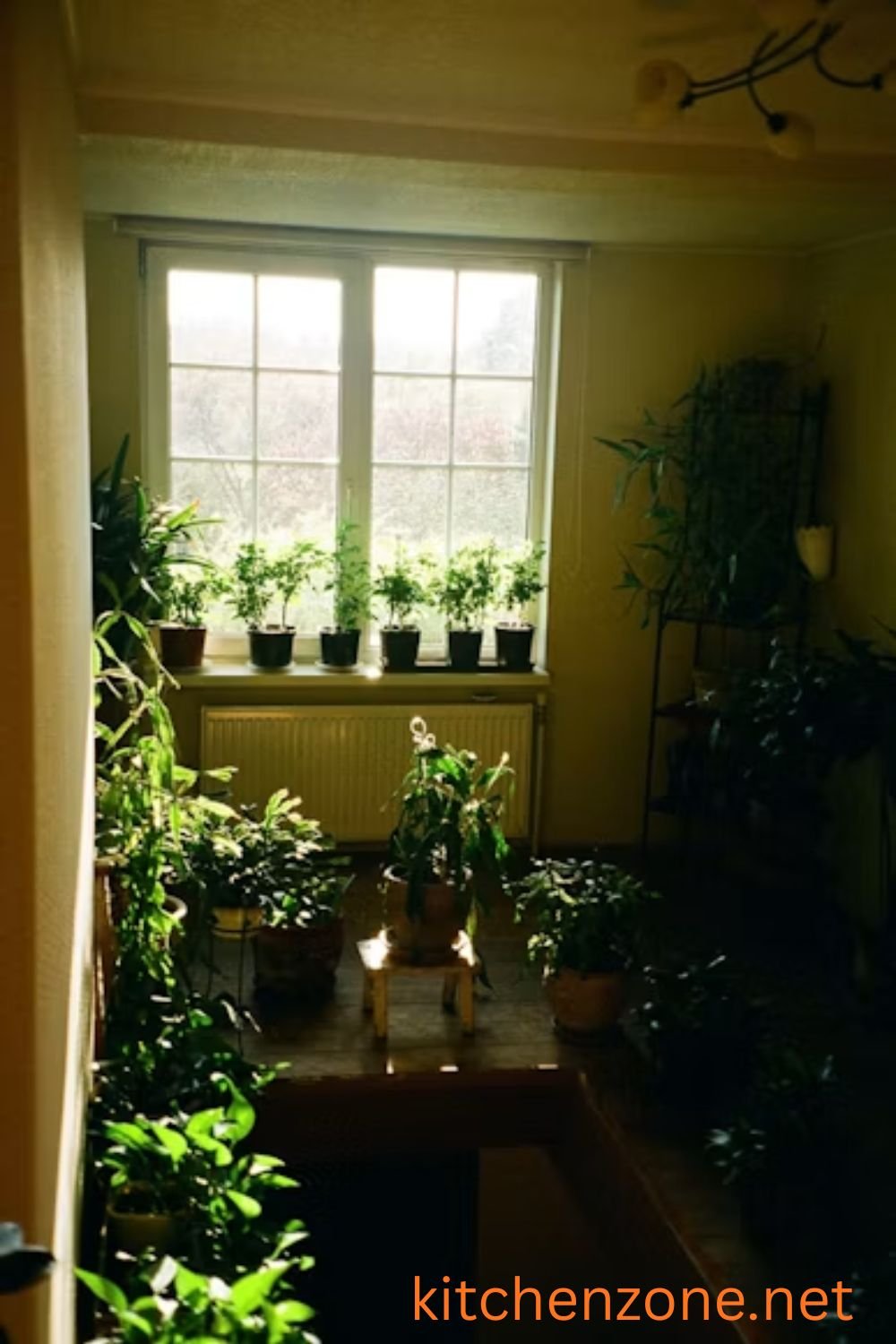
Image Credit: Unsplash
One of the biggest lessons I’ve learned from styling indoor plants is that placement should follow natural light.
In my own home, I have a mid-century modern ranch-style house with floor-to-ceiling windows. Because so much natural light filters through the space, I can group many of my plants near the windows where they receive plenty of bright light throughout the day. I’ve learned from my own mistake—placing the plant in a corner I liked did look great, admittedly, but it didn’t thrive; it was already starting to dry out and wither. That’s when I realized it’s not about where I want it; the plant needs to be exactly where the light tells it to be.
I don’t place indoor plants deep in the innermost parts of my home simply because those areas don’t receive as much light. Instead, I consider how much bright light each plant needs and choose its location from there.
This approach also helps with the visual design of the room. A collection of plants near a bright window can create a beautiful natural focal point without competing with furniture or views.
If you’re unsure about a particular plant, check the care information that comes with it. Plant labels can provide basic guidance about light, watering, fertilizer, and general care.
Make a Statement With a Fiddle Leaf Fig or Olive Tree
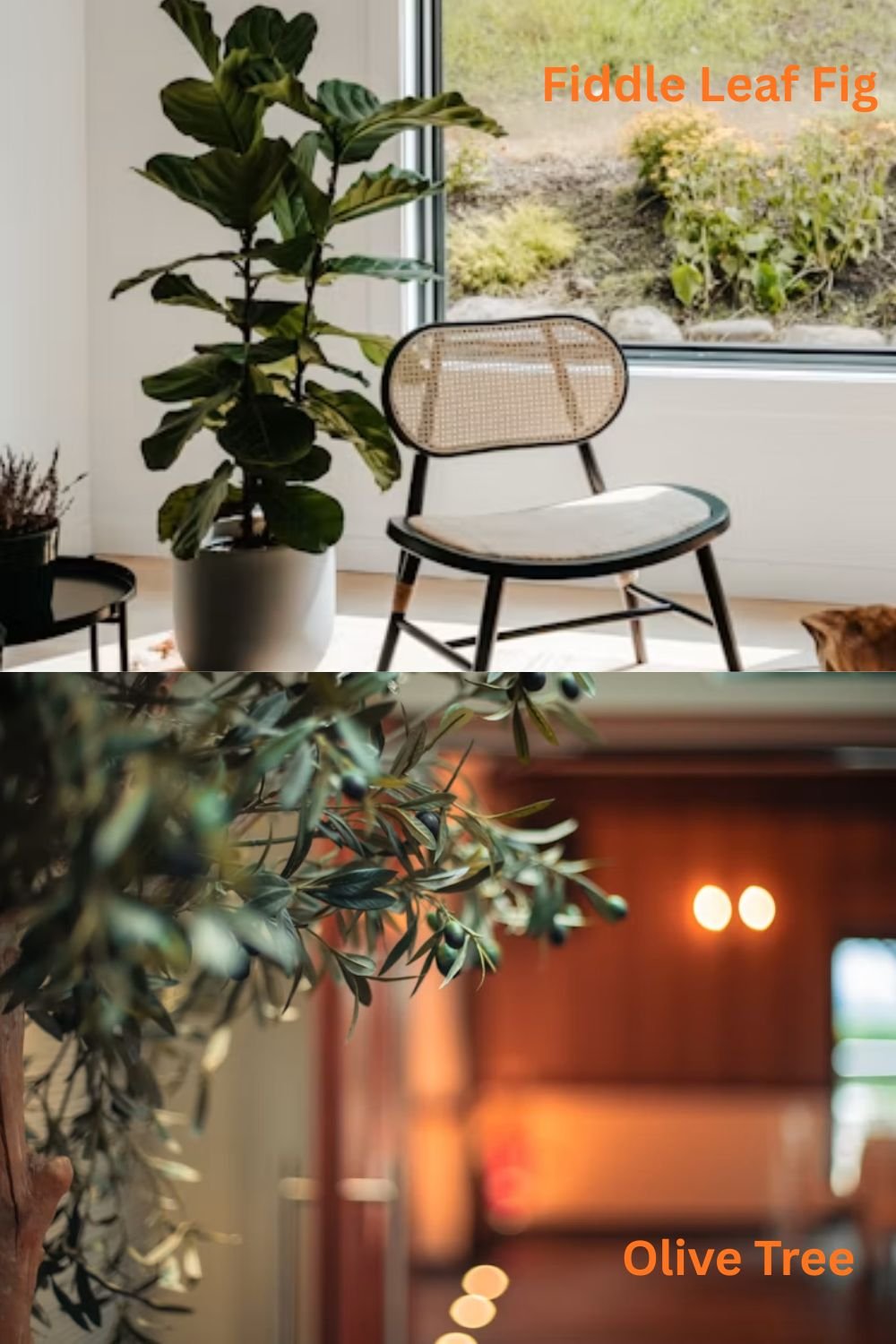
Image Credit: Unsplash
You could say I have a total love-hate relationship with the Fiddle Leaf Fig. There seems to be no end to its fussiness, but the joy of seeing a new leaf sprout is truly something else. And the olive tree brings a kind of calm, soothing atmosphere to my flat. Every time I look at it, it feels as though I have just returned from a visit to a rural village, away from the city’s bustle.
Fiddle Leaf Fig
What makes the fiddle leaf fig particularly interesting from a design perspective is its combination of height and relatively small footprint. It can grow tall and fill a room vertically without requiring a huge amount of floor space.
Olive Tree
My second favorite indoor tree is the non-fruiting olive tree. I love the relaxed Italian countryside feeling it brings without making a room feel overly rustic. Its light sage-colored leaves work especially well in neutral interiors, particularly spaces with a lot of white.
Both trees need plenty of bright indoor light. Generally, these trees require about six hours of bright indoor light per day, with a south-facing window suggested as an ideal placement.
Olive trees can grow to around 10 feet, while fiddle leaf figs can also become surprisingly tall. I’ve had a fiddle leaf fig grow straight toward the ceiling before eventually starting to bend over. If your room is smaller, you can choose a dwarf tree or prune a larger plant to keep its size under control.
Create Smaller Plant Vignettes for a Simple, Organic Look
One of the most important ideas I take from indoor plant styling is that more isn’t always better.
Instead of spreading plants randomly throughout a large home, divide them into smaller vignettes. Each grouping can add character and mood to a particular part of the room while keeping the overall design organized. In a larger space, one tall tree can sometimes create more drama than several small decorations. It gives the room a strong vertical element without filling every available surface.
I also love allowing the natural shape of a plant and the size of its leaves to become the decoration itself. A sculptural plant can ground a space without distracting from furniture, architectural details, or outdoor views.
This is where simplicity becomes especially important. When plants are placed with intention, they can create an easy organic flow from one area of the home to another.
Keep this in mind before getting indoor plants. Styling indoor plants does not mean filling every corner with greenery. The best results come from selecting plants that match the size of your room, placing plants where the light suits them best, and letting plants’ natural shapes work with your furniture and overall interior design.
Thanks to everyone reading this article
Keep Reading